 how-to
Affordable Auto Repair in Indianapolis: 2026 Guide
Table of Contents
- What Makes Affordable Auto Repair Reliable
- How to Compare Auto Repair Estimates Effectively
- Step 1: Request the estimate in writing, with the line items broken out
- Step 2: Normalize the parts tier before you compare price
- Step 3: Compare labor hours, not just the labor rate
- Step 4: Ask what the diagnostic fee covers
- Step 5: Compare the warranty in writing
- Step 6: Score the estimates side by side
- Finding an Affordable Mechanic You Can Trust
- Preventive Car Maintenance That Cuts Repair Costs
- Used Car Repair and Maintenance: What to Expect
- Ways to Reduce Repair Costs Without Compromising Safety
- Transparent Pricing and Local Assistance Options
- Frequently Asked Questions
Last Updated: October 9, 2026
What Makes Affordable Auto Repair Reliable
For affordable auto repair in Indianapolis, the lowest price doesn't always mean the best value.
A truly affordable mechanic tells you what's wrong, shows the estimate upfront, and explains why each service matters.
Trustworthy shops aren't the cheapest. They don't upsell, use proper diagnostic tools, warranty their labor, and make pricing easy to understand.
How to Compare Auto Repair Estimates Effectively
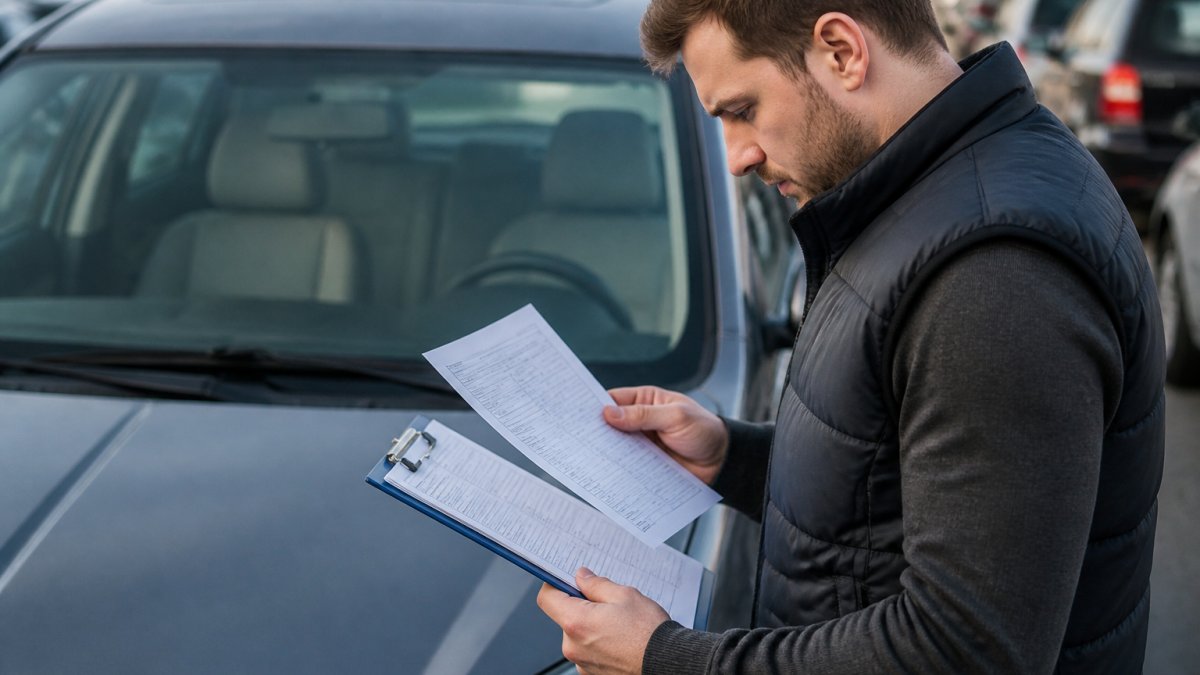
Getting multiple estimates is the best way to avoid overpaying, but most drivers compare only the bottom-line number, which is how a cheap quote becomes an expensive job. Compare line by line: parts tier, labor hours, diagnostic fee, and warranty. Here's a repeatable process you can run in about 30 minutes per shop.
Step 1: Request the estimate in writing, with the line items broken out
Never compare a phone quote to a written estimate. Ask each shop to email or text an estimate separating:
- Parts, with the brand or tier named (OEM, aftermarket, remanufactured, or used)
- Labor, with the number of hours and the shop's hourly labor rate
- Diagnostic fee, stated as a flat amount, and whether it is credited toward the repair if you approve the work
If a shop won't put the estimate in writing before you hand over the keys, move to the next shop.
Step 2: Normalize the parts tier before you compare price
This is where most comparisons go wrong. A $420 brake job and a $610 brake job aren't the same if one uses economy pads and the other OEM-spec pads and new rotors. Ask each shop to quote the same tier, then ask what the next tier up costs.
Step 3: Compare labor hours, not just the labor rate
Two shops can charge the same hourly rate and still land hundreds apart because the quoted hours differ. Ask each shop how many hours the job books for. Labor times are published in industry guides, so a shop quoting dramatically more hours for the identical repair should explain why, rust, seized fasteners, or extra disassembly.
Step 4: Ask what the diagnostic fee covers
Diagnostic pricing varies by shop and how deep the technician must go. A basic fault-code scan differs from a full electrical or drivability diagnosis requiring hours of testing. Ask two questions: What is the flat diagnostic charge? And if I approve the repair, is that charge applied to the final bill?
Step 5: Compare the warranty in writing
Ask each shop for warranty terms on parts and labor, in writing on the estimate. Terms vary by shop and repair type, some cover months, others miles, some both. A longer warranty on a big-ticket repair is worth real money because it shifts the risk of premature failure back to the shop.
Step 6: Score the estimates side by side
Once you have written estimates from two or three shops, put them in a table: total out-the-door price, parts tier, labor hours, diagnostic fee (and whether it's credited), and warranty terms. The lowest total isn't automatically the winner. The best estimate has a parts tier appropriate for your vehicle, defensible labor hours, a reasonable or credited diagnostic fee, and a warranty in writing.
Finding an Affordable Mechanic You Can Trust
Trust is everything when you're spending money on repairs. An affordable mechanic you can trust saves money long-term because you won't get upsold on unnecessary work.
Start by asking for referrals. Friends, family, and coworkers with good experiences will point you toward honest shops.
Look for shops in the same location for years. Fly-by-night operations disappear when problems arise.
Verify ASE Certification and Warranty Coverage
ASE certification matters. ASE stands for Automotive Service Excellence, the industry standard for mechanic qualifications (About ASE).
Not every technician needs to be ASE-certified, but the shop should have at least one certified mechanic on staff.
Warranty coverage is your safety net. Ask what the shop warranties on labor and parts.
Check Customer Reviews and Ask for References
Read reviews on Google, Yelp, and the Better Business Bureau. Look for patterns. One bad review might be an outlier. Multiple complaints about overcharging or unnecessary repairs are a red flag.
Don't just read reviews, call the shop and ask for references. An honest mechanic will give you names of customers who can vouch for their work.
Preventive Car Maintenance That Cuts Repair Costs
Prevention is the cheapest repair. Regular maintenance catches small problems before they become expensive ones. A $50 oil change prevents a $3,000 engine replacement.
Most drivers skip preventive maintenance because they can't see the benefit immediately. But the math is simple: small maintenance costs far less than major repairs.
Oil Changes and Fluid Checks
Oil changes are the foundation of engine health, fresh oil lubricates parts and removes contaminants. Most modern vehicles need one every 7,500 to 10,000 miles, though some can go longer.
Don't just get an oil change. Have the shop check all your fluids: coolant, transmission fluid, brake fluid, power steering fluid.
Brake Inspections and Battery Health
Brake inspections should happen annually. Worn brake pads are cheap to replace. Worn rotors cost more. Waiting until your brakes fail can damage the entire braking system and become dangerous.
Battery health matters too, especially as temperatures drop. A weak battery might start your car on a warm day but fail in winter. Have your battery tested annually.
Used Car Repair and Maintenance: What to Expect
Older vehicles need more attention, but they don't have to be money pits. Many used cars run reliably for years with proper maintenance.
Older vehicles often have higher repair costs because parts wear out. Suspension components, water pumps, and alternators have finite lifespans. Plan for these expenses rather than being surprised by them.
Diagnostics for Older Vehicles
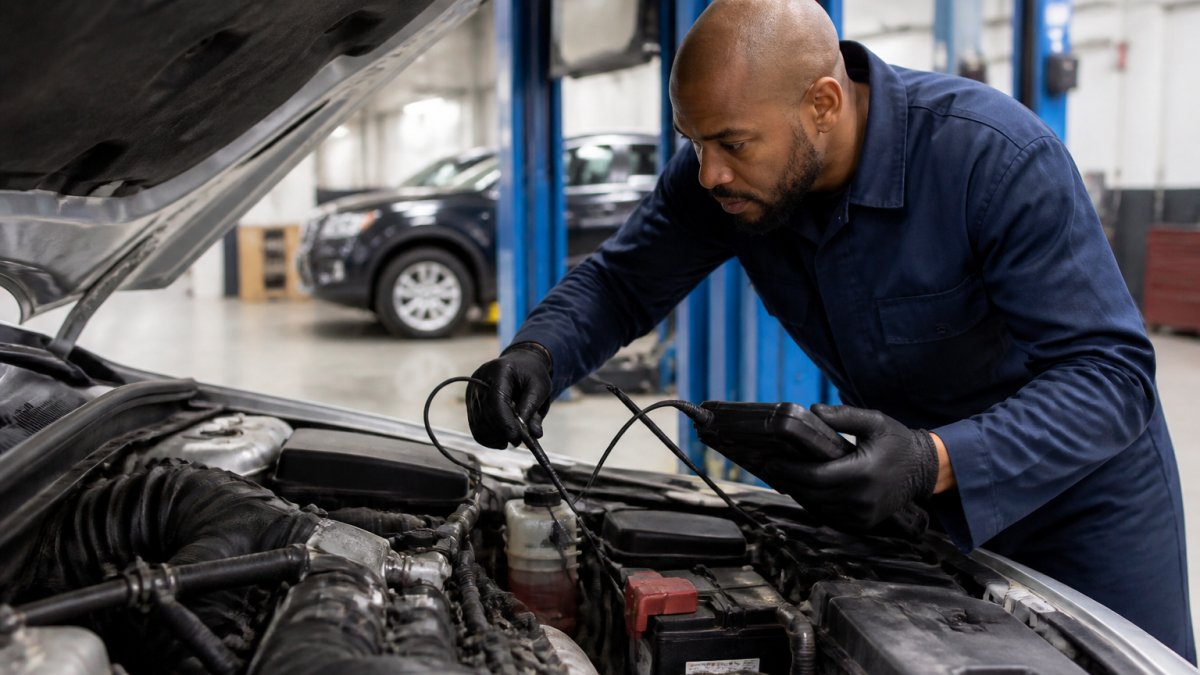
Modern diagnostic tools can pinpoint problems in older vehicles. Instead of guessing, a shop can connect a scanner to your vehicle's computer and read fault codes.
Older vehicles without advanced computer systems need a more experienced mechanic. These cars require hands-on diagnosis: listening to engine sounds, feeling vibrations, checking for leaks.
Repair-Versus-Replace Decisions
Sometimes a repair doesn't make sense. If your transmission is failing and the repair costs $2,500 but your car is worth $3,000, you must decide: repair or replace?
Use this framework: if the repair costs more than half your vehicle's value, consider replacing it; less than a quarter, repair it.
Ways to Reduce Repair Costs Without Compromising Safety
Cutting corners on safety is never worth it.
Time your repairs. Don't wait until your car breaks down.
Ask about used parts. For some repairs, a used part from a salvage yard costs less than new.
Bundle repairs. If your mechanic recommends multiple repairs, ask if doing them together saves labor cost.
Maintain your vehicle. This is the cheapest repair of all.
Transparent Pricing and Local Assistance Options
Transparency builds trust. A shop that hides pricing or pressures you isn't worth your business, no matter how cheap it claims to be. "Affordable" means nothing without numbers, so here's what repair pricing looks like and what to do when the bill exceeds what you can pay at once.
What repair pricing is made of
Every repair estimate is parts plus labor plus tax, with a few small fees on top. Labor is billed in hours at the shop's posted rate, and the hours come from published industry labor guides rather than the technician's stopwatch, which is why two shops can quote the same repair at the same hourly rate and still differ by a hundred dollars or more.
Realistic 2026 price ranges by repair type
Use these as ballpark planning ranges for a typical passenger vehicle, not as quotes. Actual prices swing with make and model, engine size, drivetrain, rust, and parts tier.
- Conventional oil and filter change: roughly $45 to $90; full synthetic typically $75 to $130
- Battery replacement (part and install): roughly $150 to $300, higher for vehicles with start-stop systems that require an absorbed glass mat battery and a registration reset
- Brake pads, one axle: roughly $150 to $350; pads and rotors on one axle commonly $300 to $600
Two rules of thumb help you sanity-check any quote. First, labor is usually the smaller half of a repair until you get into engine and transmission work, where it can exceed parts cost.
Payment, financing, and assistance options
When the estimate exceeds what you can pay in one lump sum, you have more options than most drivers realize:
- Shop payment plans. Many independent shops offer in-house installments, especially for larger jobs. Ask before you approve the work, not after.
- Third-party repair financing. National consumer financing programs used by auto repair shops let you apply for a line of credit and pay monthly. Approval and terms depend on credit, and interest can be significant, so read the terms.
- Credit cards. A standard credit card is often the simplest bridge, but compare the interest cost against the shop's payment plan before choosing.
Transportation while your car is in the shop
A multi-day repair is a logistics problem as much as a financial one. Ask whether the shop offers a loaner, shuttle, or courtesy drop-off, and how far in advance you need to book it. If not, budget for a rideshare or public transit, and confirm the expected completion time in writing so you're not paying for extra days.
Frequently Asked Questions
How do I compare auto repair estimates from different shops?
Request written estimates from at least two mechanics for the same work. Each estimate should itemize parts costs, labor hours, and hourly rates separately. Ask what warranty covers the repair and whether the shop uses OEM or aftermarket parts. Compare not just the total price but the labor rate and parts quality, the cheapest estimate isn't always the best value if it cuts corners on parts or lacks warranty protection.
What should I look for in an affordable mechanic?
Look for ASE-certified technicians, positive customer reviews mentioning fair pricing, and shops that provide written estimates upfront. A reliable affordable mechanic explains what's wrong with your vehicle clearly, doesn't pressure you into unnecessary repairs, and offers warranty on their work. Ask if they specialize in your vehicle type and whether they use quality parts with a guarantee.
What preventive car maintenance actually saves money on repairs?
Regular oil changes every 5,000-7,500 miles, fluid checks, and tire rotations prevent engine wear and extend vehicle life. Brake inspections catch pad wear early, avoiding expensive rotor damage. Battery maintenance prevents sudden failures. Spark plug replacement at manufacturer intervals prevents ignition issues. These routine services cost far less than engine repairs, transmission work, or emergency brake service that neglect causes.
How can I reduce repair costs without sacrificing safety?
Prioritize safety-critical repairs like brakes, steering, and suspension immediately, delaying these risks accidents. For non-urgent work, get a second opinion and ask if repairs can be staged over time. Use quality aftermarket parts instead of OEM when appropriate, keep preventive maintenance current, and maintain your vehicle regularly so small issues don't become major failures. Ask your mechanic which repairs are urgent versus routine maintenance.
Finding affordable auto repair in Indianapolis doesn't mean settling for poor quality. PANEL CRAFT AUTO SALES LLC helps customers understand their repair options and make smart decisions about their vehicles. Whether you're buying a used car or maintaining the one you have, we're committed to transparent pricing and honest service. Get in touch with our team to discuss your vehicle's needs and learn how we can help you stay on the road safely and affordably.