 how-to
How to Spot Hidden Accident Damage on Used Cars
Table of Contents
- What to Look for Before You Inspect
- How to Check if a Used Car Has Been in an Accident
- Used Car Frame Damage Inspection
- Vehicle History Report Accident Check
- Pre-Purchase Inspection for Accident Damage
- Red Flags That Demand Professional Assessment
- Common Mistakes to Avoid During Inspection
- Conclusion
- Frequently Asked Questions
Last Updated: October 11, 2026
What to Look for Before You Inspect
Buying a used car is one of the biggest purchases most people make, yet many skip the most important step: checking for hidden accident damage. A vehicle that looks fine on the surface might have serious problems underneath.
This guide walks you through the inspection process so you can spot the signs of hidden accident damage before you make an offer.
Some damage is obvious; other damage hides for months or years until it causes expensive repairs. Your job is to find it before you buy.
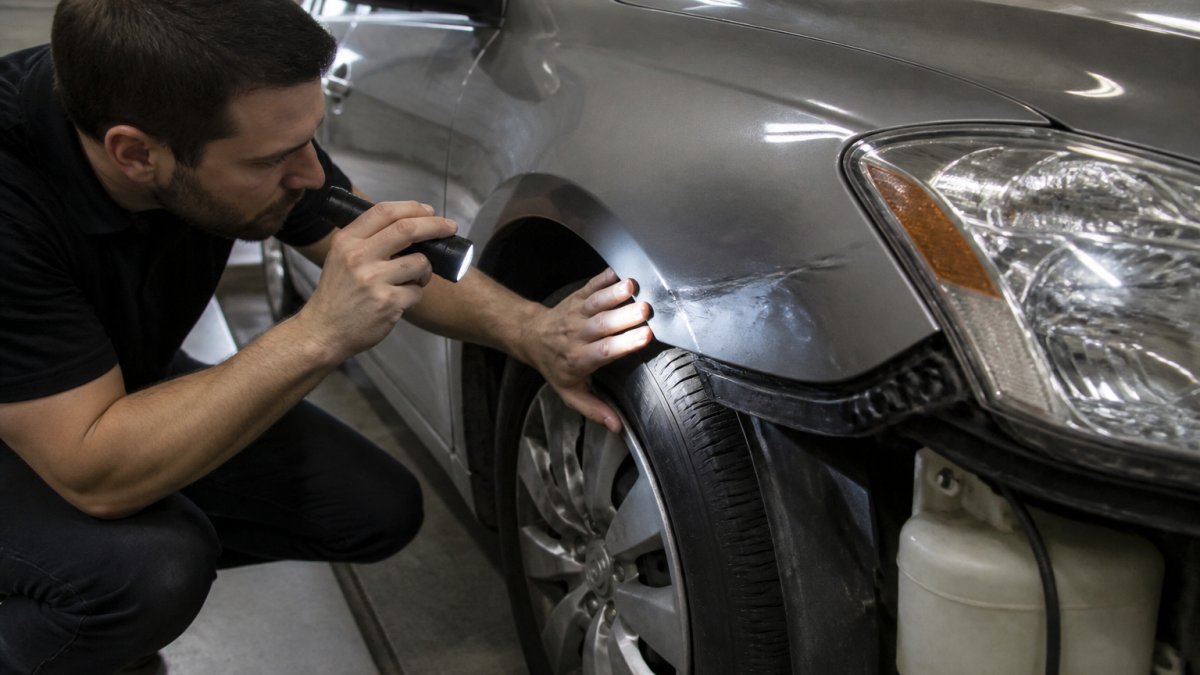
Start your inspection in daylight with a flashlight, measuring tool, and ideally a friend who knows cars. Examine the exterior, interior, and mechanical systems, photographing anything suspicious.
How to Check if a Used Car Has Been in an Accident
Spot hidden accident damage by looking for specific physical clues that reveal collision history and severity.
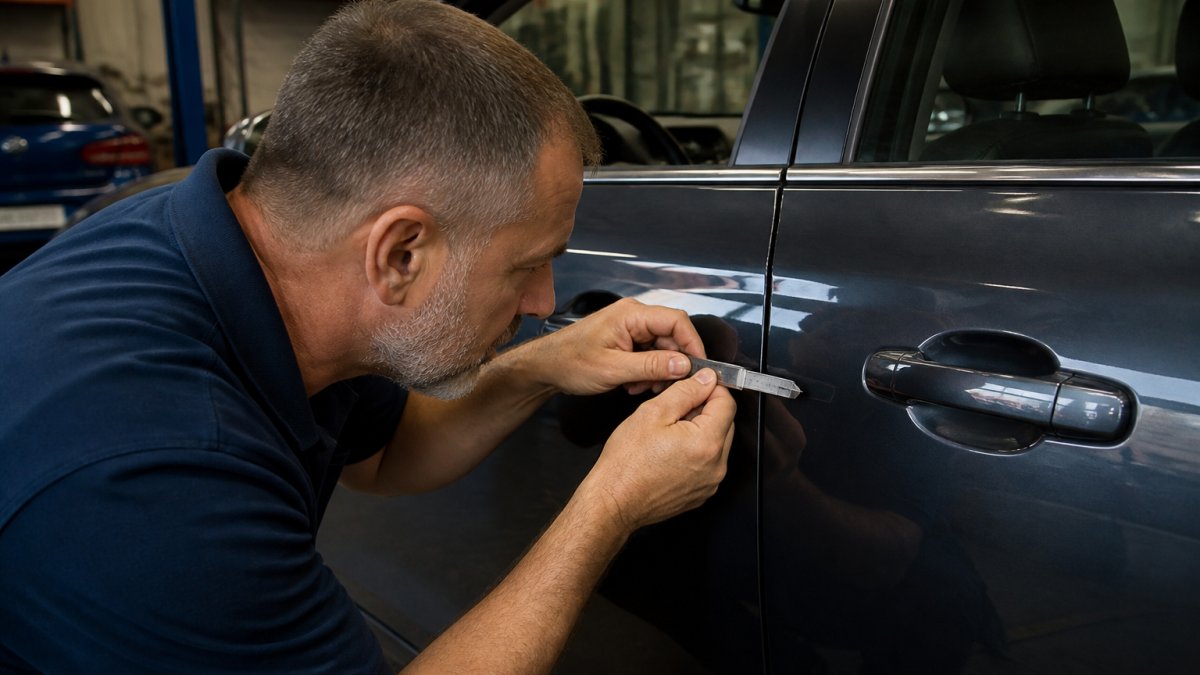
Panel gaps and misaligned body panels
Body panels should sit flush with even, consistent gaps. Uneven gaps indicate panels may have been replaced or realigned after an accident.
Run your hand along panel seams to feel for raised edges or dips. Check doors, hood, trunk, and fenders for perfect alignment, misaligned panels signal collision damage.
Doors should open and close smoothly with matching gaps on both sides. Wider gaps on one door suggest damage and repair.
Check the trunk and hood, common impact points. Rough operation or misaligned gaps suggest frame damage.
Mismatched or faded paint
Paint should have consistent color and finish across the vehicle. Different shades indicate repainting, common after accidents.
Inspect the car in bright daylight, walking around slowly to notice any color variations between panels.
Feel the paint surface, fresh paint is smooth, old paint rough. All panels should feel identical.
Use a paint meter to check depth. Factory paint is typically 4-6 mils thick; repainted panels are often 8-12 mils or thicker.
Check panel edges, trim, and under the hood for even paint coverage. Thin or uneven edges indicate panel replacement.
Signs of hidden collision damage
Hidden damage appears where most buyers don't check. Inspect the radiator support, frame rails, and engine bay structure, these areas reveal impact damage clearly.
Look for bent metal, welding marks, or fresh paint in the engine bay. Welding indicates serious structural damage; fresh paint is suspicious since factory engine bays are rarely painted.
Suspension components should look original and undamaged. Bent or replaced struts, control arms, and tie rods indicate collision.
A cracked or replaced windshield often indicates front-end damage. If the windshield is new on an older car, investigate.
Check if headlights and taillights are original and matching. Replaced lights suggest accident history.
Used Car Frame Damage Inspection
Frame damage is the most serious type of hidden accident damage, affecting handling and safety. Some damage is invisible to the untrained eye.
Structural and underbody damage
Get under the car with a flashlight and inspect frame rails running front to back. They should be straight and symmetrical; bent rails indicate serious accident damage.
Check for welding marks or patches on the frame. Factory frames aren't welded; welding indicates frame damage repair, a major red flag.
Cross members connecting frame rails should be straight and undamaged. Bent or cracked cross members indicate severe collision damage.
The floor pan should be flat and smooth. Wrinkles or dents suggest hard impact.
Suspension mounting points should show no cracks or bent metal. Damage here indicates serious frame impact.
What a technician looks for
Professional mechanics use frame machines to measure precisely, detecting damage off by even a quarter inch.
Technicians use lifts to inspect the undercarriage, revealing bent metal, welding, and paint overspray invisible from above.
They check alignment with machines to verify suspension geometry. Pulling or off-center steering indicates frame damage.
Paint meters measure multiple panels. Consistent readings indicate original paint; big variations mean panels were replaced.
They inspect the engine bay for bent radiator supports, crumpled fenders, and welding evidence.
Vehicle History Report Accident Check
A vehicle history report is your first defense against hidden accident damage. Services like Carfax and AutoCheck pull data from insurance claims, police reports, and repair records.
These reports are not perfect. Some accidents go unreported, especially minor ones. But they provide valuable information. A clean report is a good sign.
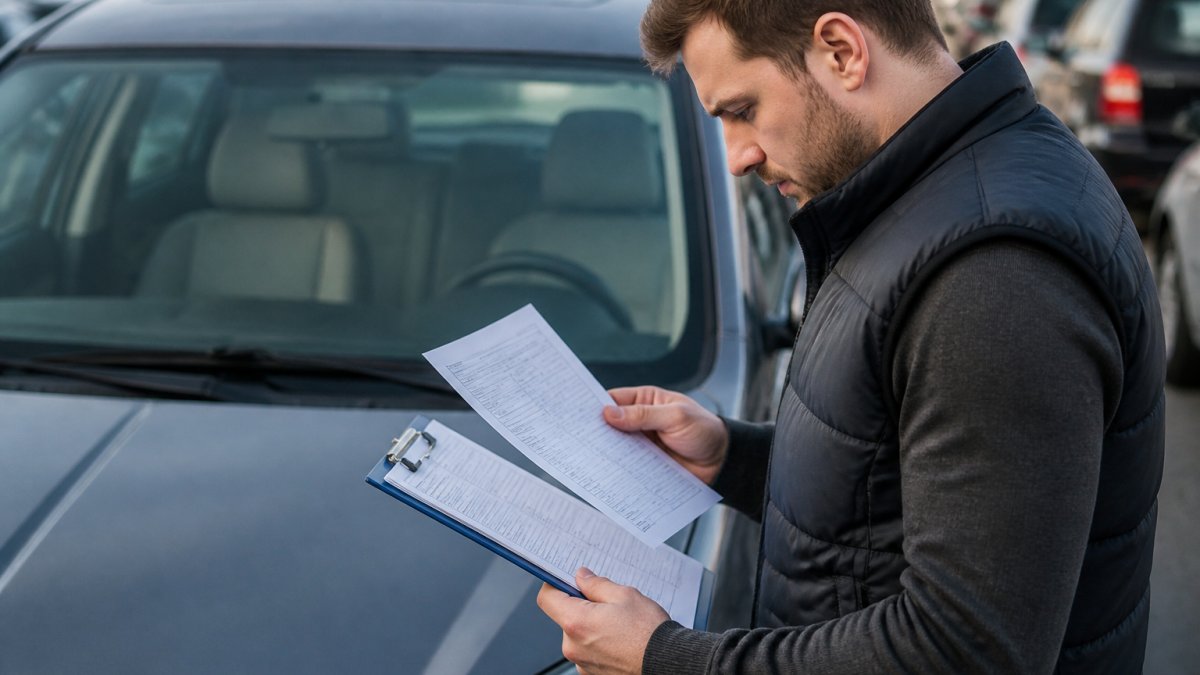
Order the report before you inspect the car. It costs about 25 to 40 dollars. Read it carefully. Look for any mention of collision, frame damage, or structural repairs.
Check how many owners the car has had. Multiple owners in a short time can indicate problems. Check the service history. Regular maintenance is a good sign.
Note the mileage history. If mileage jumps unexpectedly, the report might be incomplete. Look at the titles.
Pre-Purchase Inspection for Accident Damage
A complete inspection takes time and attention. Follow this step-by-step process to check for hidden accident damage thoroughly.
The complete inspection checklist
Start outside in daylight. Check panel gaps and alignment. Look for paint inconsistencies. Inspect the hood, doors, and trunk.
Move to the engine bay. Look for bent metal, welding marks, and fresh paint. Check radiator support, frame rails, and suspension components.
Get under the car with a flashlight. Check frame rails for bends. Look for welding marks. Inspect the floor pan and cross members.
Test the doors and windows. They should operate smoothly. Check the seats and interior trim. Look for water stains or odors indicating flood damage.
Start the engine. Listen for unusual noises. Check all gauges. Test the lights, wipers, and climate control.
Drive the car. Feel for pulling to one side. Listen for noises. Test the brakes, acceleration, and steering. Notice how the car handles.
Diagnostic tools and inspection methods
A paint meter is essential. It measures paint thickness and reveals repainting. These tools cost 20 to 100 dollars. Many auto parts stores will lend you one.
A measuring tape helps check panel gaps. Consistent gaps should be 3 to 5 millimeters. Larger or uneven gaps suggest damage.
A flashlight reveals hidden damage in dark areas. Bring a powerful LED flashlight. Check under the hood, under the car, and inside the wheel wells.
A phone camera documents everything. Take photos of suspicious areas. This creates a record you can review later or show to a technician.
A mechanic's inspection is worth the cost. Independent mechanics charge 100 to 200 dollars for a pre-purchase inspection. They find damage you might miss.
Red Flags That Demand Professional Assessment
Some signs mean you should stop the inspection and call a professional. Don't ignore these red flags.
Steering, alignment, and suspension issues
If the car pulls strongly to one side while driving, frame damage is likely. The steering wheel should be centered. If it's off-center, alignment is wrong.
Uneven tire wear indicates suspension or alignment problems. Check all four tires. The wear should be even. Bald spots or worn edges suggest the car has been in an accident.
Listen for clunking sounds when turning. This suggests loose suspension components. Clunking when hitting bumps indicates damaged struts or shocks.
Feel for vibration in the steering wheel. Vibration at highway speeds suggests wheel balance problems or bent wheels. Vibration at low speeds suggests suspension damage.
Unusual noises, vibrations, and warning lights
Strange noises are always a concern. Squeaking, grinding, or knocking sounds indicate problems. Listen carefully while driving. Note when the noises occur.
Check the dashboard for warning lights. Any light that stays on means something is wrong. Some lights relate to accident damage. Engine, airbag, and ABS lights are especially concerning.
Feel for vibration in the pedals or steering wheel. Vibration that increases with speed suggests wheel or tire problems. Vibration that occurs at specific speeds suggests suspension issues.
Listen for grinding sounds when braking. This indicates worn brake pads or damaged rotors. Grinding is a safety issue and requires immediate repair.
Fluid leaks and electrical problems
Fluid leaks are serious. Check under the car for puddles. Different fluids indicate different problems. Red fluid is transmission fluid. Green or orange is coolant. Brown or black is oil or brake fluid.
Look at the engine bay for wet spots. Leaks from the radiator, transmission, or engine need repair. Some leaks are minor. Others indicate major damage.
Check all electrical systems. Headlights should be bright and even. Taillights should work. The dashboard lights should illuminate. Interior lights should work.
Test the power windows and locks. They should operate smoothly. If windows are slow or locks don't work, electrical damage may be present.
Common Mistakes to Avoid During Inspection
Many first-time buyers make mistakes that cost them money. Avoid these common errors.
Don't inspect in poor lighting. Shadows hide damage. Always inspect in bright daylight. Bring a flashlight for dark areas.
Don't skip the undercarriage. Many buyers only look at the exterior. The real damage is often underneath.
Don't ignore small signs. A single misaligned panel might seem minor. But it often indicates more damage.
Don't trust your eyes alone. Use tools.
Don't skip the test drive. How a car drives tells you a lot. Pulling, vibration, and noises indicate problems.
Don't buy without a history report. A vehicle history report takes minutes to order.
Don't buy without a professional inspection if you're unsure. A mechanic inspection costs 100 to 200 dollars.
Conclusion
Spotting hidden accident damage takes knowledge and attention. You now know what to look for. You understand the red flags. You know when to call a professional.
The inspection process protects you. It helps you avoid cars with serious problems. It gives you confidence in your purchase.
When you're ready to buy, bring what you've learned to the inspection. Take your time. Don't rush. Use tools. Document everything. If something seems wrong, trust your instinct.
At PANEL CRAFT AUTO SALES LLC, our service team can handle any repairs you discover. Contact us to discuss your pre-purchase inspection needs or to browse our inventory of carefully selected used vehicles.
| Inspection Area | What to Check | Red Flag |
|---|---|---|
| Panel Gaps | Even, consistent spacing | Uneven or large gaps |
| Paint | Uniform color and finish | Color variation or overspray |
| Frame Rails | Straight, undamaged metal | Bends, welding, or patches |
| Suspension | Original, undamaged components | Bent parts or replacement signs |
| Engine Bay | Clean, original appearance | Fresh paint, welding, bent metal |
| Tires | Even wear across all four | Bald spots or uneven wear |
| Steering | Centered, no pulling | Off-center or pulling to side |
| Fluids | No leaks underneath | Puddles or wet spots |
Frequently Asked Questions
Can a vehicle history report tell me if a car has been in an accident?
A vehicle history report documents major accidents reported to insurance companies and salvage titles, but it does not catch every accident. Minor collisions or damage paid out-of-pocket may not appear. Always combine a history report review with a physical inspection. Ask the dealer directly and inspect the vehicle yourself for hidden accident damage like paint overspray, panel misalignment, and frame damage.
What are the most common signs of hidden accident damage on a used car?
Look for uneven panel gaps, mismatched or faded paint, overspray on trim, steering pull or drifting, uneven tire wear, unusual noises or vibrations, fluid leaks, and warning lights on the dashboard. Frame damage may show as crumpled metal underneath or welding marks. Many of these signs require a hands-on inspection and a pre-purchase diagnostic scan to confirm.
Should I buy a used car that has been in an accident?
It depends on the severity and quality of repairs. Minor accidents with documented professional repairs may be acceptable. Major structural or frame damage significantly reduces reliability and resale value. Always obtain a pre-purchase inspection from an independent technician before committing. If the dealer resists inspection or the history is unclear, walk away.
How much does a pre-purchase inspection cost, and is it worth it?
Pre-purchase inspections typically cost between $150 and $300, depending on the technician and depth of assessment. For a used car purchase, this investment is essential. It can uncover hidden accident damage, frame damage, and safety issues that could cost thousands to repair later. Many buyers avoid this step and regret it, the inspection pays for itself if it prevents a bad purchase.
The inspection process you've learned here protects your investment. A used car can be a smart purchase when you know what to look for. Take time. Use the tools available. When in doubt, hire a professional. Your future self will thank you for the effort.