 how-to
Used Vehicle Diagnostic Testing: A Buyer's Guide
Table of Contents
- What Does a Car Diagnostic Test Show
- Pre-Purchase Car Inspection Checklist
- Average Cost of Car Diagnostic Test
- How to Find Used Vehicle Diagnostic Testing Near You
- Interpreting Your Diagnostic Report
- Common Mistakes to Avoid
- Frequently Asked Questions
Last Updated: October 2, 2026
What Does a Car Diagnostic Test Show
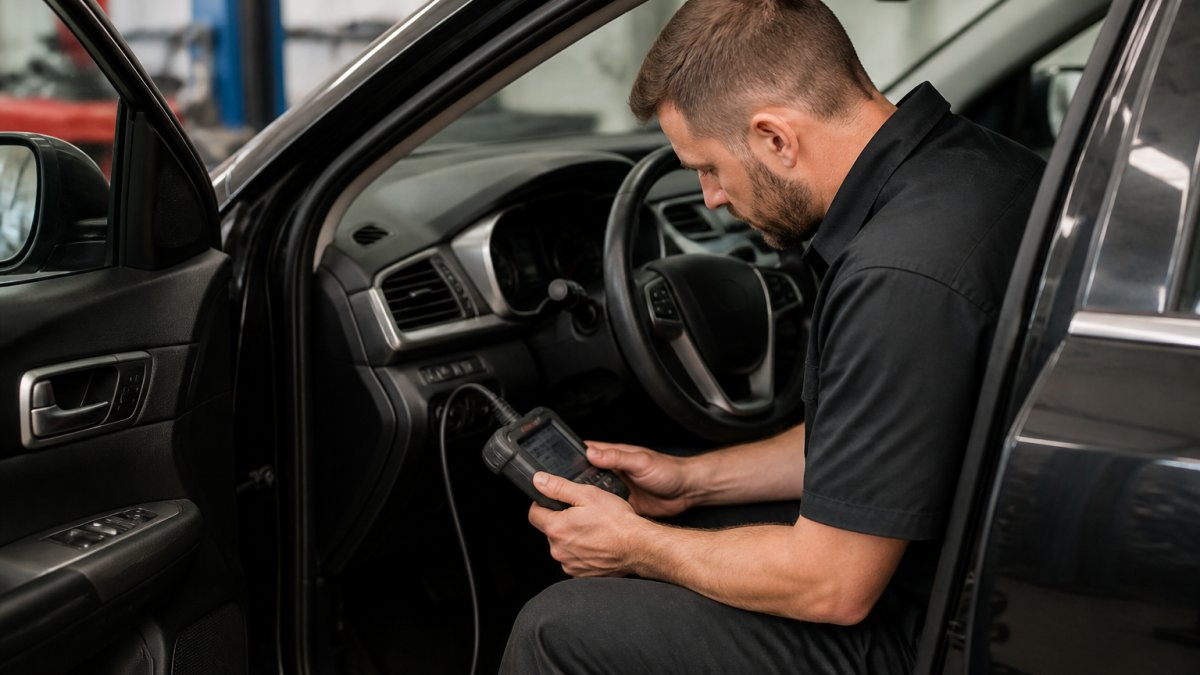
Used vehicle diagnostic testing is a comprehensive assessment that identifies mechanical, electrical, and safety issues in a pre-owned car. Using specialized equipment and methodologies, diagnostic testing reveals problems that may not be visible during a basic visual inspection.
A diagnostic test uncovers hidden issues before you commit to a purchase, saving you from expensive repairs down the road.
Engine and Transmission Assessment
A diagnostic test measures engine performance through compression ratios, fuel injection efficiency, ignition timing, and transmission fluid condition. Modern diagnostic equipment connects to the vehicle's onboard computer system to retrieve fault codes and performance data that indicate wear or malfunction.
Engine diagnostics identify timing problems, valve deposits, and fuel system faults. Transmission diagnostics reveal fluid degradation, shifting delays, and internal wear. These assessments determine whether major repairs are imminent or if the vehicle has adequate remaining service life.
Emissions and Safety Systems
Emissions testing ensures regulatory compliance by measuring oxygen sensor performance, catalytic converter efficiency, and exhaust gas recirculation function. Failures may require expensive repairs.
Safety systems evaluated include anti-lock braking systems (ABS), airbag deployment readiness, stability control, and electronic steering assist. Identifying failures before purchase protects your investment and family safety.
Pre-Purchase Car Inspection Checklist
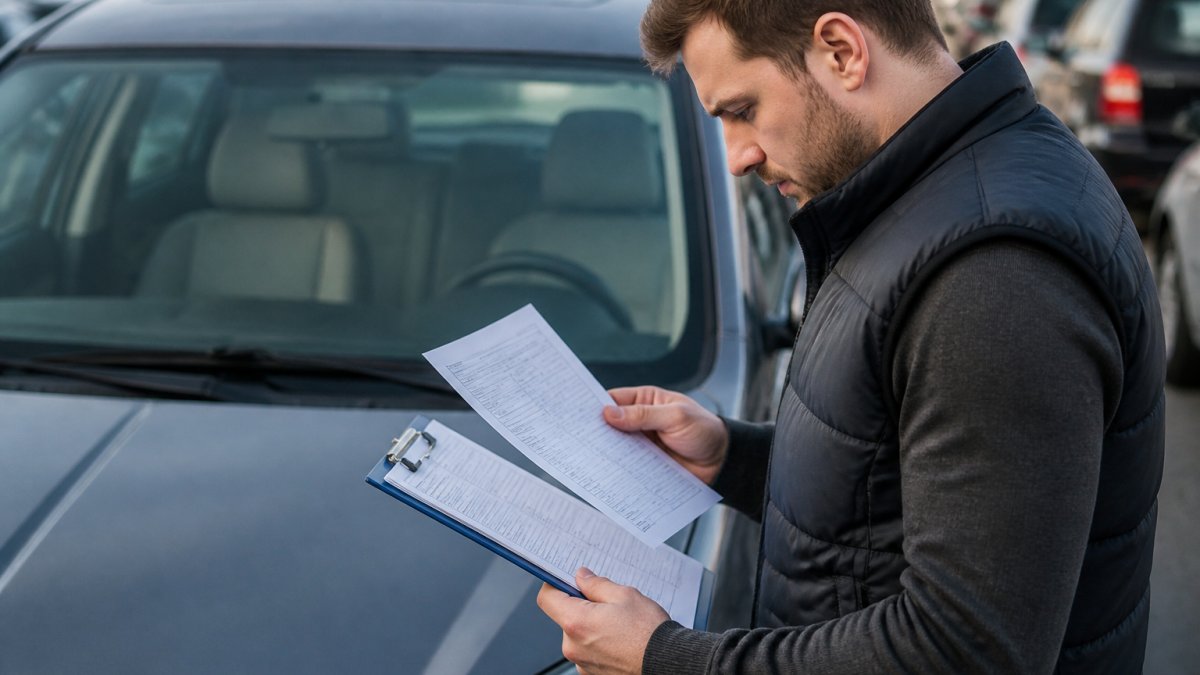
A structured checklist ensures you evaluate every critical component before committing to a purchase, catching problems that casual inspection might miss.
Visual Inspection Steps
Begin with an exterior walk-around in natural daylight, checking for paint consistency, rust, dents, and glass condition. Open all doors and trunk to inspect hinges, seals, and interior. Look for water stains indicating previous flood damage.
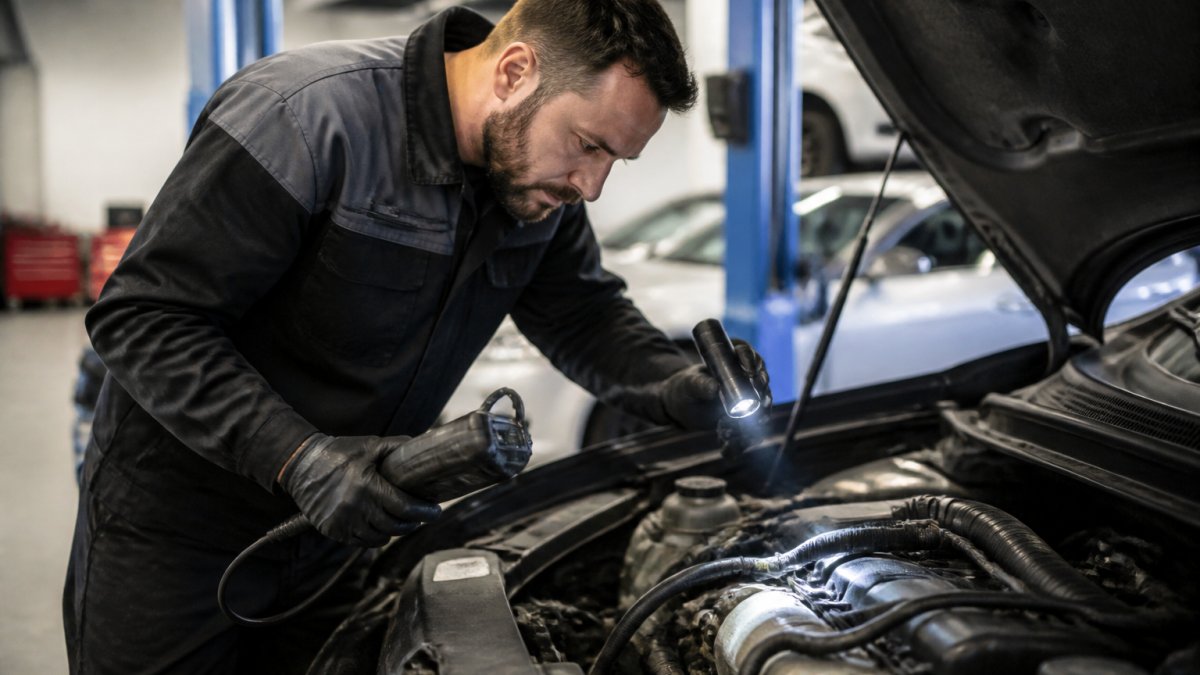
Under the hood, examine hose condition, fluid levels, battery age, and electrical corrosion. Check radiator, belts, and pulleys for wear. Inspect the undercarriage for rust, leaks, or collision damage.
Test Drive Evaluation
A test drive reveals real performance. Pay attention to acceleration, braking, steering, and transmission shift quality. Listen for grinding, clunking, or rattling sounds indicating mechanical problems.
Test air conditioning, heating, wipers, lights, and power windows. Drive on varied surfaces to evaluate suspension and handling. A 15-20 minute test drive at varied speeds provides accurate assessment.
Average Cost of Car Diagnostic Test
Diagnostic testing costs vary based on vehicle complexity, facility location, and scope of systems evaluated. Understanding the cost structure helps you budget appropriately.
Professional Diagnostic Pricing
Professional diagnostic testing at independent repair shops typically ranges from $100 to $300, with luxury vehicles and European imports costing more due to specialized equipment requirements.
Full diagnostic assessments with detailed analysis and written reports cost $150-$250. Some facilities charge hourly rates ($75-$150/hour) for 1-3 hours. Dealership diagnostics range from $150-$400 due to manufacturer-specific equipment and factory-trained technicians.
Many facilities credit diagnostic fees toward repair costs if you authorize work there, reducing upfront cost.
DIY and Budget Diagnostic Options
Basic code readers cost $25-$100 and identify which system triggered a warning light, but not the underlying cause. A code P0300 (random misfire) could indicate a spark plug, fuel injector, ignition coil, or compression problem; a code reader cannot distinguish between them.
Mid-range Bluetooth scanners ($50-$150) provide live sensor data and freeze-frame information but lack professional depth and require knowledge to interpret correctly.
Cost-Benefit Analysis: When Professional Diagnostics Pay for Themselves
For vehicles priced above $5,000, professional diagnostics costing $150-$250 represent only 2-5% of purchase price.
For vehicles priced below $3,000, a $200 diagnostic represents 8% of purchase price. A basic code reader ($50-$100) may suffice to decide whether to walk away, negotiate, or proceed with targeted professional inspection.
Skipping professional diagnostics risks discovering a $3,000 transmission problem after purchasing an $8,000 vehicle. Professional diagnostics eliminate this uncertainty for a fraction of potential repair costs.
Getting the Best Diagnostic Value
Ask whether the facility charges a flat fee or hourly rate, and whether it applies toward repairs. Request a time estimate. Describe known issues upfront so technicians prioritize testing and avoid unnecessary scans.
Compare quotes from 2-3 facilities. A $100 diagnostic may use generic equipment, while $250 may include detailed sensor analysis and comprehensive reporting. Lowest price isn't always best value.
How to Find Used Vehicle Diagnostic Testing Near You
Locating a qualified facility requires research into capabilities, certifications, and pre-purchase inspection experience. The right facility has transparent processes, modern equipment, and technicians who understand pre-purchase diagnostics.
Finding Facilities in Your Area
Start with online searches for "pre-purchase inspection" or "used car diagnostic" combined with your location.
Check the Better Business Bureau (BBB) website for accredited automotive service providers in your area. BBB-accredited businesses have been vetted for complaint resolution and business practices.
Ask the seller or dealer if they have a preferred diagnostic facility.
Contact local automotive enthusiast groups or forums specific to the vehicle make you're considering.
Evaluating Facility Qualifications
Verify that technicians hold current ASE (Automotive Service Excellence) certifications. The ASE website (ase.com) allows you to search certified technicians by location and specialty.
Ask whether the facility uses OEM (original equipment manufacturer) diagnostic protocols or generic scanning equipment.
Inquire about the facility's experience with the specific vehicle make, model, and year you're evaluating.
Confirm that the facility has current diagnostic equipment.
Pre-Purchase Diagnostic Checklist: What to Request
When scheduling a pre-purchase diagnostic, provide the facility with a specific checklist of systems you want evaluated. This ensures comprehensive coverage and prevents the technician from focusing only on obvious issues.
Engine and Fuel System:
- Retrieve all fault codes (active and historical)
- Measure fuel pressure and injector pulse
- Check oxygen sensor voltage and response
- Verify ignition timing and spark plug condition
- Inspect fuel filter and fuel pump operation
Transmission and Drivetrain:
- Retrieve transmission fault codes
- Check transmission fluid condition (color, smell, particle content)
- Verify shift quality and response times
- Inspect differential fluid condition
- Test all-wheel drive or four-wheel drive engagement (if applicable)
Cooling and Emissions:
- Measure coolant condition and freeze protection
- Check radiator and heater hose integrity
- Verify thermostat operation
- Test catalytic converter efficiency
- Measure exhaust gas recirculation (EGR) function
Electrical and Safety Systems:
- Test battery voltage and charging system output
- Verify all warning lights function
- Check anti-lock brake system (ABS) operation
- Test airbag system readiness
- Verify electronic stability control (ESC) functionality
- Test power steering assist and responsiveness
Suspension and Brake Systems:
- Inspect brake pad thickness and rotor condition
- Check brake fluid condition and level
- Verify brake system pressure and response
- Inspect suspension components for wear and damage
- Test steering play and alignment
Providing this checklist upfront prevents the facility from performing a generic scan and missing critical systems. It also allows them to provide an accurate time estimate and cost quote.
Understanding the Diagnostic Report
Before the diagnostic begins, ask what format the report will take. The best reports include:
- A list of all fault codes with plain-language explanations
- Sensor readings compared to manufacturer specifications
- A summary of each major system's condition (good, fair, poor)
- Specific repair recommendations with estimated costs
- A clear overall assessment: safe to purchase, proceed with caution, or avoid
Request that the facility explain findings verbally before you leave. Ask them to clarify any codes or readings you don't understand. A quality facility will spend 15-30 minutes walking you through the report, not just hand you a printout and rush you out.
Red Flags When Choosing a Facility
Avoid facilities that refuse to provide written reports or insist on verbal-only findings. Avoid shops that pressure you to authorize repairs immediately after diagnostics. Avoid facilities that cannot explain their findings in clear language or become defensive when you ask questions. These behaviors suggest the facility prioritizes sales over transparency.
If a facility recommends major repairs based on a single fault code without further investigation, seek a second opinion. Reputable shops investigate root causes, not just symptoms.
Interpreting Your Diagnostic Report
A diagnostic report translates technical data into actionable information for your buying decision.
The report lists fault codes with descriptions of what each code means. Some codes indicate minor issues requiring simple fixes, while others signal major component failures.
Pay attention to the overall assessment summary. A well-organized report concludes with a clear recommendation: safe to purchase, proceed with caution pending repairs, or avoid due to serious issues.
Common Mistakes to Avoid
Skipping professional diagnostic testing is the costliest mistake pre-purchase buyers make.
Another common error is purchasing a vehicle without test-driving it thoroughly. A test drive reveals how the vehicle actually performs, not just what the paperwork claims.
Ignoring warning signs during inspection leads to poor decisions.
Buying a used vehicle without professional diagnostic assessment is gambling with your transportation reliability and safety.
Frequently Asked Questions
How much does a diagnostic test on a car typically cost?
The average cost of car diagnostic test varies by location and facility type. Independent shops typically charge between $75 and $150 for a basic diagnostic, while dealerships may charge $100 to $200 or more. Some facilities offer free or discounted diagnostics if you proceed with repairs. Contact local diagnostic providers for current pricing specific to your vehicle and needs.
What should I look for in a pre-purchase inspection report?
A thorough pre-purchase car inspection checklist should cover engine condition, transmission function, brake system integrity, fluid levels and leaks, suspension and steering components, electrical systems, and safety features. The report should clearly identify any issues found, their severity, and estimated repair costs. Look for reports that distinguish between minor wear items and major mechanical problems that could affect reliability.
Can a diagnostic test detect hidden engine or transmission issues?
Yes, modern diagnostic testing can reveal many hidden problems by reading fault codes from the vehicle's computer systems. However, diagnostic tools are most effective at identifying electrical and sensor-related issues. Some mechanical problems like internal transmission wear or bearing damage may not show up on a standard diagnostic until they worsen. This is why combining computer diagnostics with a thorough physical inspection provides the most complete assessment.
Is it worth paying for a diagnostic test on a used car?
A professional diagnostic test is a worthwhile investment for used vehicle purchases. The cost of testing (typically $75-$200) is minimal compared to the potential cost of major repairs you might avoid by identifying problems upfront. Diagnostics provide evidence-based assessment of the vehicle's condition, help you negotiate price fairly, and protect you from purchasing a vehicle with serious hidden issues that could compromise safety or reliability.