 how-to
What to Look for in a Used Car Dealership
Table of Contents
- Inspect the Vehicle's Exterior and Body Condition
- Check for Accident Damage and Repainting
- Evaluate Tires, Wheels, Glass, and Lights
- Test the Interior and Look for Water Damage
- Review Vehicle History and Request a Full Report
- Red Flags to Avoid at a Used Car Dealership
- Questions to Ask When Buying a Used Car From a Dealer
- Use a Used Car Buying Checklist Before You Decide
- Frequently Asked Questions
Last Updated: October 8, 2026
Inspect the Vehicle's Exterior and Body Condition
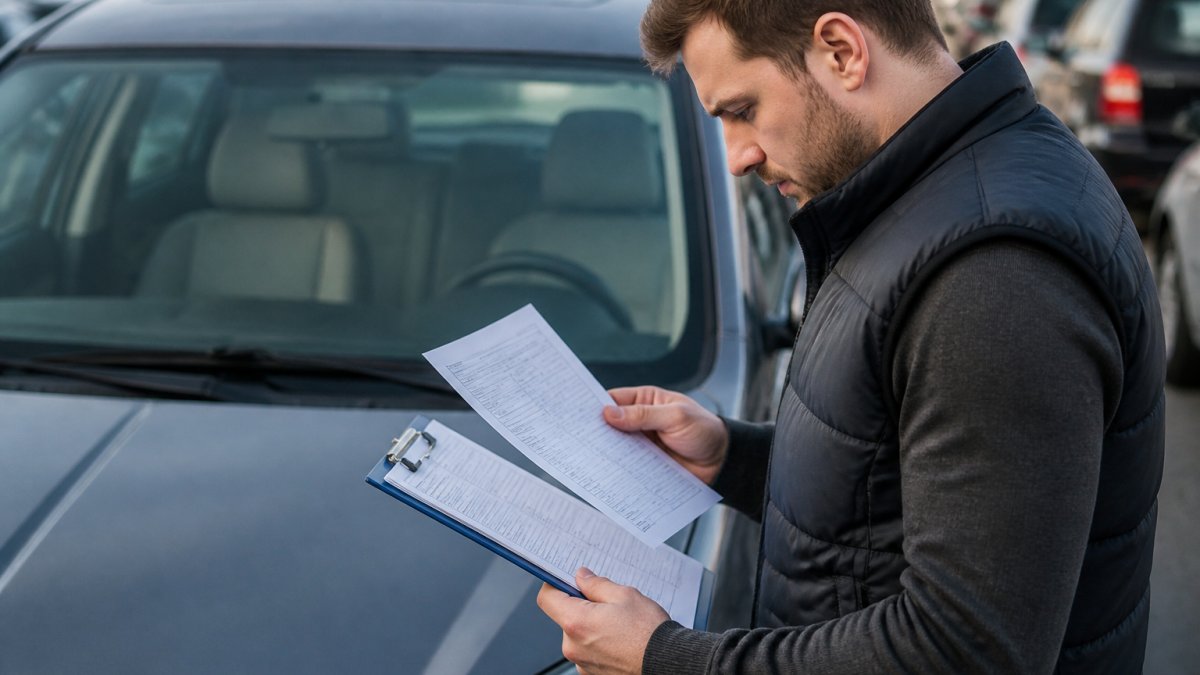
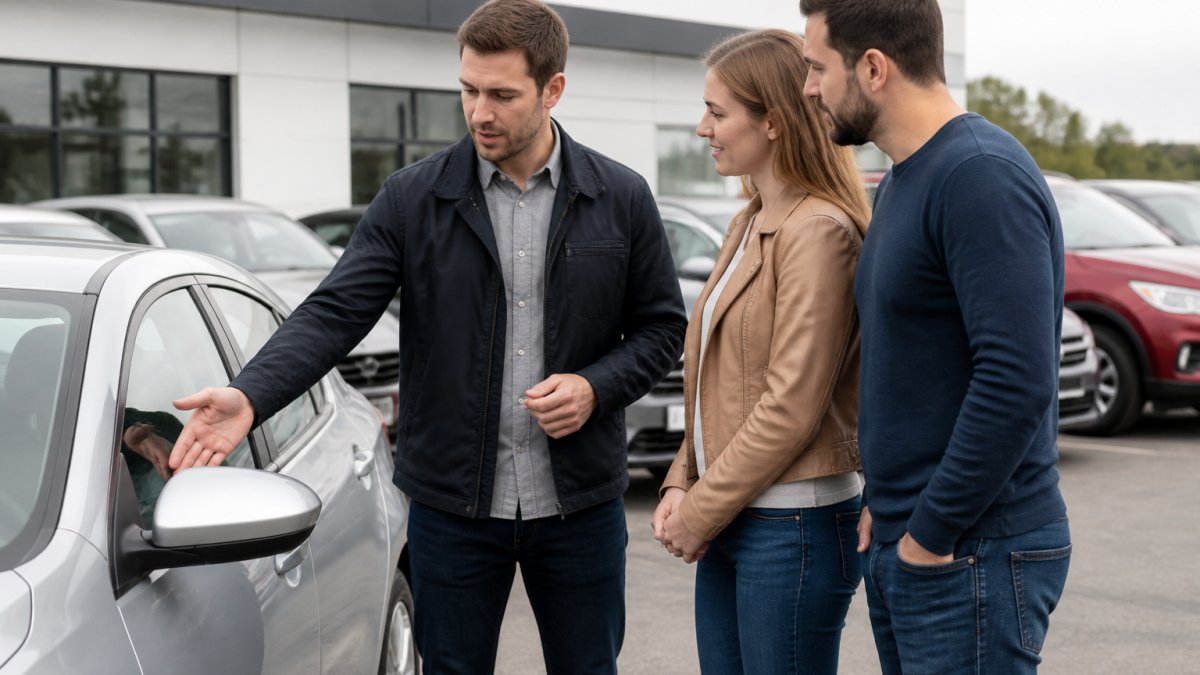
At a used car dealership, walk around the vehicle in good natural light.
Run your hand along each body panel.
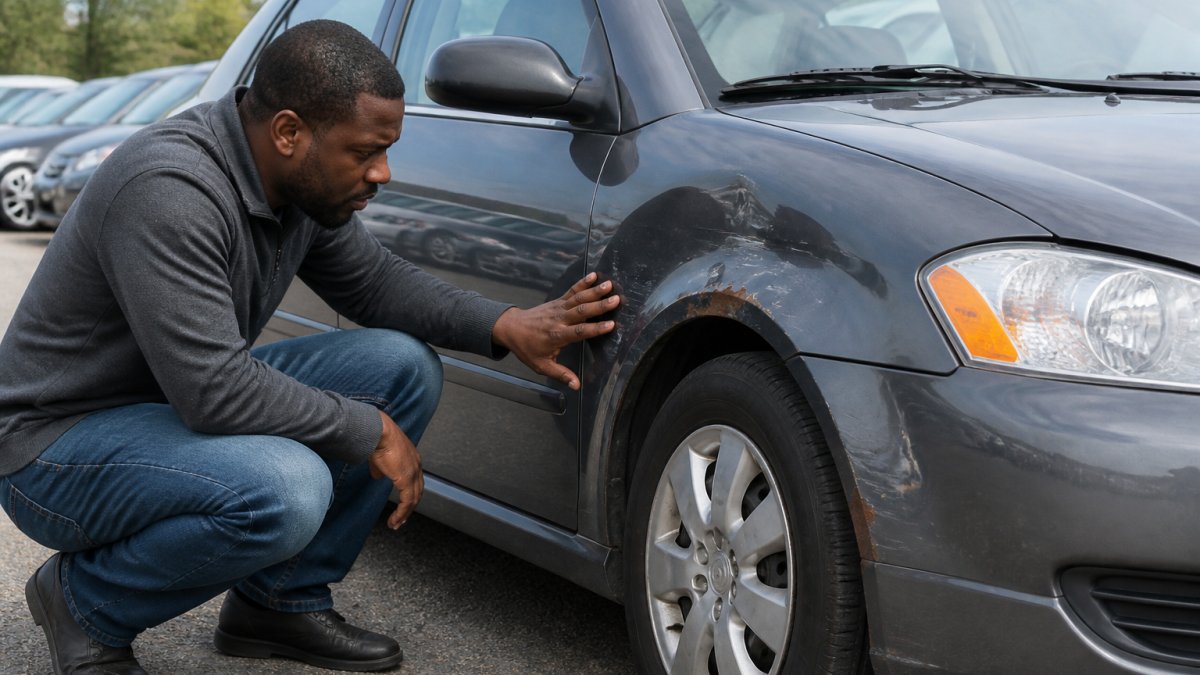
Rust is a serious red flag. Check the undercarriage, wheel wells, and door edges. Surface rust can be fixed, but deep rust weakens the structure.
Pay special attention to these areas:
- Door edges and hinges
- Bottom of the doors
- Wheel wells and tires
Take photos of any damage to help you remember details and negotiate the price.
Check for Accident Damage and Repainting
Accident history is critical when buying a used car from a dealership.
Look for repainting signs: overspray on rubber trim, window seals, and plastic parts.
Body panel gaps should be consistent. Large or uneven gaps suggest the vehicle was hit and panels replaced.
Ask the dealership directly: "Has this vehicle been in an accident?" A reputable used car dealership will answer honestly.
Evaluate Tires, Wheels, Glass, and Lights
Tires reveal how a vehicle was maintained.
Uneven wear suggests alignment or suspension problems; all four tires should wear similarly. Tires older than ten years need replacement regardless of tread depth.
Inspect wheels for cracks, bends, or corrosion, they are expensive to replace. Mismatched wheels can indicate prior accident repairs.
Examine the glass carefully:
- Windshield for chips or cracks
- Windows for cracks or damage
- Mirrors for cracks
Test all exterior lights including headlights, taillights, brake lights, and turn signals.
Test the Interior and Look for Water Damage
Open every door and check that it closes smoothly; sticking or misaligned doors indicate frame damage.
Sit in every seat and test movement and condition; look for tears, stains, or excessive wear.
Check for water stains on the ceiling, carpet, under the seats, and in the trunk.
Test all interior features:
- Dashboard warning lights
- Air conditioning and heating
- Radio and speakers
Verify the odometer matches the vehicle history; inconsistencies can indicate odometer fraud, though it is less common than it once was.
Review Vehicle History and Request a Full Report
A vehicle history report is a starting point for questions, not a clean bill of health. No provider captures every repair, and a spotless report is not proof the car was never damaged.
Get the VIN first, then run your own report
Ask the dealership for the 17-character VIN in writing, by text or email, before you visit or negotiate. Run the VIN yourself rather than accepting a dealer-printed report as your only source.
Confirm the VIN in three places matches the paperwork:
- The lower corner of the windshield on the driver's side (visible from outside)
- The driver's door jamb sticker
- The title and any Buyers Guide or buyer's order the dealer gives you
If any of those three disagree, stop. A mismatched VIN is a title or theft concern, not a negotiating point.
What to actually look for in the report
Read the report in this order, since each item changes how you weigh the rest:
- Title brand. Look for salvage, rebuilt, flood, lemon, junk, or bonded. A branded title usually means an insurer declared the car a total loss. Some rebuilt titles are legally sellable but carry lower resale value and complicate financing and insurance. Confirm the brand matches the dealer's written disclosure.
- Odometer readings over time. The report lists mileage at each title transfer, inspection, or service event. Look for a smooth upward line; a drop, long gap, or conflict with the current odometer is a rollback concern. Federal law prohibits odometer fraud, and a dealer selling a car with a known discrepancy can face liability.
- Number of owners and use. One-owner personal-use cars tend to have cleaner service records than auction, rental, or fleet vehicles. Ask the dealer to confirm the use history and note it on the buyer's order.
- Accident and damage entries. Minor accidents often don't show up, but a reported accident with airbag deployment, frame damage, or a police report is a serious flag. Ask for the repair invoice if the dealer claims it was fixed.
- Service records. Regular oil changes, tire rotations, and scheduled maintenance at consistent intervals suggest a caring owner. A blank history is not automatically bad, but it means buying on condition alone.
- Open recalls. Recalls are free to fix at a franchised dealer for that make. If the report shows an open safety recall, ask the selling dealer to complete it before you sign, or confirm in writing you can take it to a franchise dealer yourself.
Reconcile the report against the car and the dealer's story
Bring the report and compare it against the car:
- If it shows an accident in a specific area, check that panel's paint, gaps, and bolt marks.
- If a mileage reading conflicts with the odometer, ask the dealer to explain the gap in writing.
- If it shows an unexpected prior state (say, a flood-prone region), ask how it got here and whether there is a water-damage disclosure.
Put the dealer's disclosures in writing
Before signing, ask the dealership to put these on the buyer's order or a separate signed disclosure:
- Title status (clean, rebuilt, salvage, etc.)
- Any known accident or damage history
- Odometer reading at sale
A dealer who will not put disclosures in writing is giving you a verbal assurance you cannot enforce, your cue to slow down or walk.
NHTSA VIN decoder and recall lookup
FTC Used Car Buyers Guide requirement
Red Flags to Avoid at a Used Car Dealership
Most red-flag lists say "walk away" without telling you when, how, or what to say. These sections turn vague warnings into decision rules for the lot.
Verify the dealer before you visit
A few minutes of homework filters out most problems:
- Check the business registration. Ask for the legal entity name and look it up with your state's Secretary of State or dealer licensing board. A name matching no registered entity is a problem.
- Check complaint history. Search the BBB, your state Attorney General's consumer complaint database, and the FTC's consumer complaint portal. A few complaints are normal; a pattern of title, financing, or misrepresentation complaints is not.
- Confirm the license. Most states require used car dealers to hold a motor vehicle dealer license. Ask for the number and verify it with the state regulator.
Walk-away criteria you can apply on the spot
Treat each of these as a stop sign, not a negotiating chip:
- The dealer refuses an independent pre-purchase inspection. This is the biggest red flag. An inspection by a mechanic of your choosing is standard, and a confident dealer will allow it. An inspection only at their shop, or only at impossible hours, is a refusal.
- The dealer will not put the out-the-door price in writing. That is the total you pay: vehicle price plus tax, title, registration, documentation fee, and add-ons. A monthly payment or "plus fees" quote makes offers impossible to compare.
- The dealer will not disclose the title status in writing. Clean, rebuilt, salvage, or bonded, get it on paper.
- The dealer will not let you take the car to a franchise dealer for an open recall. Recalls are free to complete. A refusal usually means the dealer does not want the car off the lot.
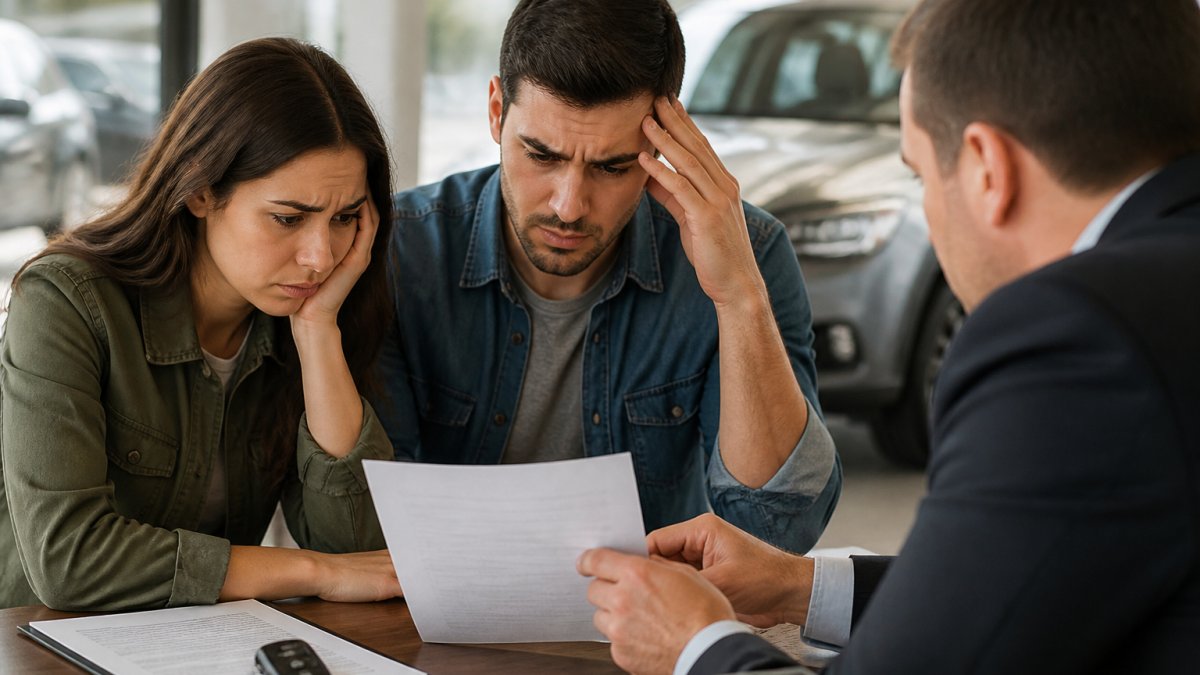
- The dealer pressures you to sign before reading the buyer's order. You are entitled to read every document first. A dealer who rushes you is hiding something in the paperwork.
- The price is far below market with no explanation. Ask why. Legitimate reasons exist, high mileage, prior accident, rebuilt title, end-of-model-year, but they should be disclosed, not discovered.
- The dealer will not provide the VIN before you visit. There is no legitimate reason to withhold a VIN.
What to say when the dealer refuses
You do not need to argue. Use short, factual language and get the refusal in writing if you can:
- "I'd like to have my mechanic inspect the car before I buy. Can we schedule that for tomorrow morning?"
- "Can you email me the out-the-door price in writing so I can compare it?"
- "Can you put the title status and any known accident history on the buyer's order?"
If the answer to any of those is no, or keeps changing, end the conversation: "I'm not comfortable moving forward without that. Thanks for your time." Then leave.
Red flags in the paperwork
Some of the most expensive problems show up at signing, not on the lot:
- Blank spaces on the buyer's order. Never sign a document with blank fields. Draw a line through them or have the dealer fill them in first.
- Add-ons you did not agree to. Watch for paint protection, fabric protection, VIN etching, nitrogen in tires, or "market adjustment." These are negotiable and often removable, ask for an itemized list.
- Financing terms different from what you agreed to. Confirm the APR, number of payments, total of payments, and any prepayment penalty against the numbers you were quoted.
When to walk away entirely
Walking away is not a failure, it is the cheapest repair you will ever make on a used car. Walk away if:
- The dealer refuses an independent inspection or written disclosures.
- The title status does not match what you were told.
- The VIN does not match across the car, title, and paperwork.
A reputable used car dealership expects these questions and answers them without hesitation. If the dealer treats your due diligence as an insult, that is the clearest red flag of all.
FTC consumer advice on buying a used car
State motor vehicle dealer licensing lookup
Questions to Ask When Buying a Used Car From a Dealer
Come prepared with a list. Essential questions to ask when buying a used car from a dealer:
Start with the vehicle's history:
- Has this car been in any accidents?
- How many previous owners?
- Was it used as a rental or fleet vehicle?
Ask about the current condition:
- Why are you selling this vehicle?
- What's the warranty coverage?
- Are there any known issues?
Discuss the deal:
- What's included in the price?
- Are there any dealer fees?
- What's the return policy?
Don't accept vague answers. A dealership that won't answer directly isn't worth your business.
Use a Used Car Buying Checklist Before You Decide
A structured used car buying checklist keeps you organized. Use this one during your dealership visit:
Exterior Inspection:
- Check for dents, scratches, and rust
- Inspect paint for mismatches or overspray
- Verify body panel gaps are consistent
Tires and Wheels:
- Check tread depth with penny test
- Look for uneven wear patterns
- Inspect wheels for damage
Interior Condition:
- Test all doors and windows
- Check seats for damage or stains
- Smell for musty odors
Vehicle History:
- Request complete history report
- Verify VIN matches documents
- Check for accident history
Mechanical Test:
- Take a test drive
- Listen for unusual noises
- Test braking and acceleration
Dealership Questions:
- Ask about accident history
- Inquire about warranty
- Request service records
| Inspection Area | What to Check | Red Flags |
|---|---|---|
| Exterior | Dents, scratches, rust, paint | Mismatched paint, deep rust, panel gaps |
| Tires | Tread depth, wear patterns | Worn tread, uneven wear, age |
| Interior | Seats, odors, water damage | Stains, musty smell, wet carpet |
| History | Accidents, ownership, service | Gaps in records, vague answers |
| Mechanical | Engine, transmission, brakes | Strange noises, warning lights |
Before signing any paperwork, review everything and don't let the dealership rush you. A good used car dealership respects your need to make an informed decision.
Frequently Asked Questions
What are the biggest red flags when buying from a used car dealership?
Avoid dealerships that refuse to let you inspect the vehicle, won't provide a vehicle history report, pressure you to buy without time to think, or have unclear pricing with hidden fees. Be suspicious of dealers who discourage independent mechanic inspections, can't explain service records, or misrepresent accident history. Legitimate dealerships welcome thorough inspections and answer questions directly.
Should you get an independent mechanic inspection before buying a used car from a dealer?
Yes. An independent mechanic inspection reveals mechanical and safety issues a visual walkthrough misses. Many dealerships allow pre-purchase inspections; if yours refuses, that's a serious red flag. The cost of an inspection (typically $100-200) is far less than expensive repairs after purchase. This step protects you from inheriting someone else's problems.
What questions should you ask a used car dealership before buying?
Ask about accident history, previous owners, service records, warranty coverage, reason for sale, and any known issues. Request the vehicle history report and Buyers Guide. Inquire about dealer fees, financing terms, and return policies. Ask why specific repairs were or weren't done. Ask if the dealership stands behind its vehicles and what recourse exists if problems arise shortly after purchase.
What should be included in a used car buying checklist?
Your checklist should cover exterior condition (dents, rust, paint), interior wear and odors, tire tread depth, all lights and wipers, doors and windows, trunk and hood operation, engine and transmission performance, warning lights on the dashboard, vehicle history verification, title status, odometer reading, and service records. Test drive the vehicle in various conditions. Have an independent mechanic inspect it. Review all paperwork and understand total out-the-door costs before committing.
Buying a used car from a dealership doesn't have to be stressful. By inspecting the vehicle thoroughly, asking tough questions, and reviewing the complete history, you protect yourself from costly mistakes. At PANEL CRAFT AUTO SALES LLC, we believe transparency and honest inspection are the foundation of a good purchase. Take your time, use this checklist, and trust your instincts. If something feels off, walk away and find another vehicle. The right car is worth the effort it takes to find it.