 blog
Best Budget Cars for Long Commutes
Table of Contents
- What Makes a Budget Car Ideal for Long Commutes
- Best Used Commuter Cars Under $15,000
- Cheap Cars with Good Gas Mileage
- Best Used Hybrid Cars for Commuting
- Used Cars with Low Maintenance Costs
- Total Cost of Ownership on a Long Commute
- What to Look for When Buying a Used Commuter Car
- Frequently Asked Questions
Last Updated: October 12, 2026
What Makes a Budget Car Ideal for Long Commutes
Finding the best budget cars for long commutes requires balancing three competing priorities: purchase price, fuel economy, and reliability. The best budget cars for long commutes excel at all three. At PANEL CRAFT AUTO SALES LLC, we help commuters identify vehicles that won't drain their wallets during the buying process or leave them stranded on the highway.
A commuter car needs to handle daily mileage without frequent repairs. Highway driving demands comfort features that keep fatigue at bay during long stretches behind the wheel. Fuel-efficient vehicles reduce the cost per mile, which compounds over months of daily driving.
The vehicles we recommend share several characteristics. They have strong resale value, which protects your investment if circumstances change. Parts are affordable and widely available. Service records for used models are easy to verify. Most importantly, owners report consistent performance over 100,000 miles or more, which matters when your commute is eating up 10,000 to 15,000 miles annually.
Best Used Commuter Cars Under $15,000
Used cars in this price range offer the best value for commuters balancing budget constraints with reliability needs. These vehicles have depreciated enough to be affordable yet remain young enough to have years of dependable service ahead.
Honda Civic: Reliable Sedan with Strong Resale Value
The Honda Civic is a top choice for commuters seeking a reliable sedan that holds its value. Models from 2015 onward offer solid build quality, responsive handling, and cabins that feel more refined than competitors in the same price range. The Civic delivers consistent fuel economy around 28-32 miles per gallon in real-world highway driving, which aligns with EPA estimates for most model years.
Maintenance costs stay reasonable because parts are inexpensive and widely available. Repair shops know these vehicles inside and out, which means faster diagnostics and competitive labor rates. The Civic's reputation for reliability means fewer unexpected repair bills derailing your budget. Used Civics under $15,000 typically have 80,000 to 120,000 miles on the odometer, giving you several more years of commuting before major service intervals arrive.
The main trade-off is rear legroom. Taller passengers sitting behind the driver may find the seat backs uncomfortably close. For solo commuters or those with average height, this is rarely an issue.
Toyota Corolla: Proven Dependability for Daily Driving
The Toyota Corolla represents the gold standard for dependability among budget commuter cars. Owners report taking these vehicles well past 150,000 miles with minimal major repairs. The Corolla's simplicity works in your favor: fewer electronic systems means fewer things that can fail.
Real-world fuel economy ranges from 28 to 33 miles per gallon depending on driving habits and model year. Highway driving on cruise control often yields results closer to the EPA estimate. The Corolla's transmission is smooth and predictable, reducing driver fatigue on long commutes.
Used Corollas under $15,000 are plentiful because Toyota produced millions of them. This abundance means competitive pricing and a wide selection of trim levels and model years to choose from. Service history is usually excellent because previous owners knew these cars were worth maintaining.
The trade-off is that the Corolla feels more utilitarian than sporty. The steering is numb, and the suspension prioritizes comfort over responsiveness. For a commuter car, these are actually strengths rather than weaknesses.
Hyundai Elantra: Budget-Friendly with Modern Comfort
The Hyundai Elantra offers more creature comforts than the Civic or Corolla while staying within a tight budget. Newer Elantras (2015 and later) include features like backup cameras, Bluetooth connectivity, and touchscreen infotainment systems that make long commutes more pleasant. The cabin feels more upscale than you'd expect at this price point.
Fuel economy is competitive at 29-32 miles per gallon on the highway. The Elantra's ride is softer than the Civic, which some commuters prefer for long-distance comfort. Hyundai's warranty coverage is excellent even on used vehicles, with many models still covered by the remainder of the original powertrain warranty.
The main consideration is that Hyundai vehicles require more scheduled maintenance than Honda or Toyota equivalents. Timing belt replacements and transmission fluid changes come due sooner. Factor these costs into your total cost of ownership calculation. Parts are less expensive than premium brands but slightly more costly than Honda or Toyota components.
Cheap Cars with Good Gas Mileage
Fuel efficiency directly impacts your daily commute budget. A car that achieves 30 miles per gallon instead of 24 miles per gallon saves roughly $600 annually on fuel costs, assuming 12,000 miles of driving per year at current fuel prices.
The most fuel-efficient cheap cars are compact sedans and hatchbacks with smaller engines and manual transmissions. Automatic transmissions in budget vehicles are often older designs that sacrifice efficiency for durability. If you're comfortable driving a manual, you'll see better fuel economy numbers.
Tire pressure affects fuel economy more than most commuters realize. Underinflated tires increase rolling resistance and reduce efficiency by 3-5%. Check your tire pressure monthly, especially during temperature swings in fall and spring.
Driving habits matter as much as the vehicle itself. Aggressive acceleration, excessive idling, and highway speeds above 60 miles per hour all reduce fuel economy. Smooth, steady driving with gradual acceleration yields real-world fuel economy 15-20% better than erratic driving in the same vehicle.
Best Used Hybrid Cars for Commuting
Hybrid vehicles combine a gasoline engine with an electric motor, capturing energy during braking that would otherwise be wasted. For commuters with moderate budgets, used hybrids offer exceptional fuel economy without the charging infrastructure concerns of fully electric vehicles.
The Toyota Prius is the most reliable used hybrid available under $15,000. Models from 2010 onward deliver 45-55 miles per gallon in real-world commuting. The battery pack is durable and rarely requires replacement before 150,000 miles.
The Honda Civic Hybrid and Toyota Camry Hybrid are also solid choices, though they're less common in the used market than the Prius. Both deliver 40-48 miles per gallon in highway driving. The Camry Hybrid offers more interior space for taller commuters.
Hybrid vehicles make the most financial sense if your commute includes significant city driving with frequent stops and starts. Highway-only commutes see less dramatic fuel economy improvements because the electric motor contributes less on sustained highway speeds. For a 100% highway commute, a fuel-efficient conventional car often makes more financial sense than a hybrid.
Used Cars with Low Maintenance Costs
Total cost of ownership includes purchase price, fuel, maintenance, insurance, and repairs. A cheap car with high maintenance costs can end up costing more than a slightly more expensive vehicle with lower service needs.
Honda and Toyota vehicles consistently rank lowest for maintenance costs in their segments. Parts availability is excellent, and labor rates are competitive because mechanics are familiar with these brands. Scheduled maintenance intervals are reasonable, and components rarely fail unexpectedly.
Avoid vehicles with complex electronic systems, turbocharged engines, or dual-clutch transmissions if you're budget-conscious. These systems are reliable when new but become expensive to repair as vehicles age. A simpler naturally aspirated engine with a conventional automatic transmission is more forgiving of deferred maintenance and less costly when repairs are needed.
Check the service history before purchasing any used car. A vehicle with complete maintenance records is worth a premium over an identical car with missing service history. Regular oil changes, fluid top-ups, and filter replacements prevent catastrophic failures that can cost thousands of dollars.
Total Cost of Ownership on a Long Commute
Purchase price is only the first expense. A $10,000 car that costs $2,000 annually in fuel and maintenance is more expensive than a $12,000 car that costs $1,200 annually in fuel and maintenance over a five-year ownership period.
Calculate your actual cost per mile by dividing total annual expenses by total annual mileage. A 15,000-mile annual commute means you'll drive 75,000 miles over five years.
Fuel economy matters more on long commutes. A vehicle averaging 28 miles per gallon instead of 32 miles per gallon costs an extra $300-400 annually in fuel. Over five years, that's $1,500-2,000 in additional fuel expenses.
Insurance costs vary by vehicle, age, and your driving record. Contact your insurance provider with specific vehicle identification numbers before purchasing.
Depreciation is lower for reliable used vehicles. A Honda Civic holds its value better than a comparable Hyundai Elantra, meaning you'll recoup a higher percentage of your purchase price if you sell or trade the vehicle later.
What to Look for When Buying a Used Commuter Car
Purchasing a used vehicle requires more diligence than buying new. The right inspection process protects you from hidden problems that could derail your budget.
Service History and Vehicle Condition
Request the complete service history before making an offer. A vehicle with records showing regular oil changes, fluid replacements, and recommended maintenance is more reliable than one with gaps in service history.
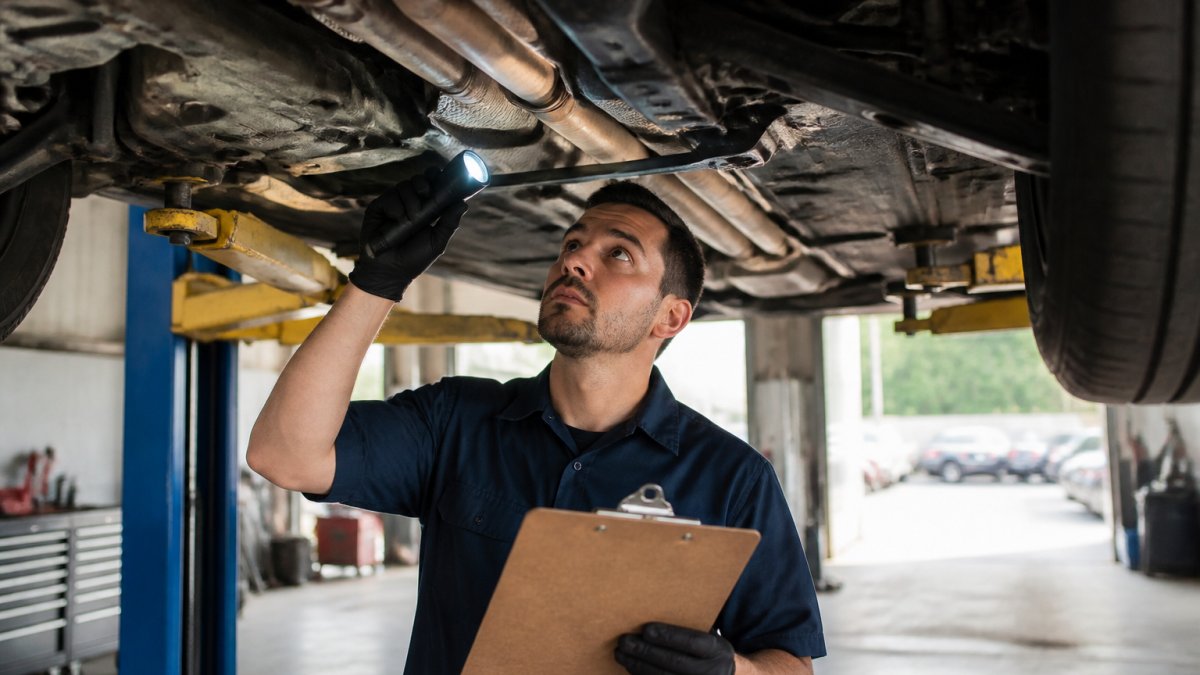
Have an independent mechanic inspect the vehicle before purchase. This typically costs $100-150 but prevents buying a car with hidden mechanical problems. The mechanic should check the transmission, suspension, brakes, cooling system, and electrical systems.
Check the vehicle history report using the Vehicle Identification Number. These reports reveal accident history, title status, odometer readings, and previous owners. A clean history doesn't guarantee reliability, but a complicated history raises red flags.
Examine the interior for wear patterns. Heavy wear on the driver's seat and steering wheel indicates high mileage or aggressive use, even if the odometer shows lower numbers.
Highway Comfort and Cabin Features
Test drive the vehicle on a highway at speeds you'll encounter during your commute. Spend at least 30 minutes driving to assess comfort and noise levels.
Seat comfort is subjective but critical for long commutes. Some seats provide excellent support for eight-hour days; others become uncomfortable after two hours.
Cabin noise matters on long commutes. Wind noise, engine noise, and tire noise can cause fatigue during extended driving. Highway speeds amplify noise issues that aren't apparent during city driving.
Check visibility in all directions. Blind spots vary significantly between vehicles. Adjust mirrors and seats to your preference during the test drive. Some vehicles require aftermarket blind spot mirrors to achieve adequate visibility.
Climate control consistency is important for comfort. Test the heating and cooling systems at full capacity. Make sure the air conditioning cools evenly throughout the cabin. Poor climate control makes long commutes miserable.
Finding the best budget car for a long commute means balancing purchase price, fuel efficiency, and reliability.
| Vehicle | Fuel Economy | Reliability | Maintenance Cost | Best For |
|---|---|---|---|---|
| Honda Civic | 28-32 MPG | Excellent | Low | Highway comfort seekers |
| Toyota Corolla | 28-33 MPG | Excellent | Low | Long-term ownership |
| Hyundai Elantra | 29-32 MPG | Good | Moderate | Modern features on budget |
| Toyota Prius | 45-55 MPG | Excellent | Moderate | City/highway mixed commutes |
Frequently Asked Questions
What should I look for in a used car for a long commute?
Prioritize fuel economy, comfort features, and maintenance history. Look for vehicles with documented service records, good seat support, low cabin noise, and proven reliability in your budget range. Check the mileage and model year carefully, newer used cars with moderate mileage typically offer better long-term value. Test drive on highways to assess ride quality and how the car handles extended periods of driving.
Are hybrid cars worth it for a long commute?
Hybrids can reduce fuel costs significantly on long commutes with mixed highway and city driving. However, purchase price is higher than comparable gas-only vehicles. Calculate total cost of ownership over your expected ownership period, if your commute includes frequent stop-and-go traffic, a hybrid's efficiency gains offset the higher upfront cost. For pure highway driving at steady speeds, a fuel-efficient gas car may be more economical.
How much should I spend on a used commuter car?
Budget depends on your commute distance, annual mileage, and financing situation. Calculate your total cost of ownership: purchase price plus fuel, insurance, maintenance, and repairs over the years you'll own the car. For long commutes, spending more upfront on a reliable, fuel-efficient vehicle often saves money over time compared to a cheaper car with higher fuel consumption and repair costs. Get pre-purchase inspections to avoid costly surprises.
Which affordable used cars are reliable for commuting?
Honda Civic, Toyota Corolla, and Hyundai Elantra consistently rank among the most reliable budget-friendly commuter cars. These models have strong resale value, affordable maintenance parts, and well-documented service networks. Check vehicle history reports and service records before purchasing. Compact sedans and hatchbacks in these brands typically offer the best balance of affordability, fuel economy, and dependability for daily driving.