 blog
Best Budget Cars in Indianapolis 2026
Table of Contents
- Best Budget Cars in Indianapolis for 2026
- Reliable Used Cars in Indianapolis: What Makes Them Stand Out
- Used Car Inspection Checklist Before You Buy
- Cost of Owning a Used Car: Beyond the Purchase Price
- Used Car Financing Options That Work for Your Budget
- How to Choose the Right Used Car for Your Needs
- Frequently Asked Questions
Last Updated: October 18, 2026
Best Budget Cars in Indianapolis for 2026
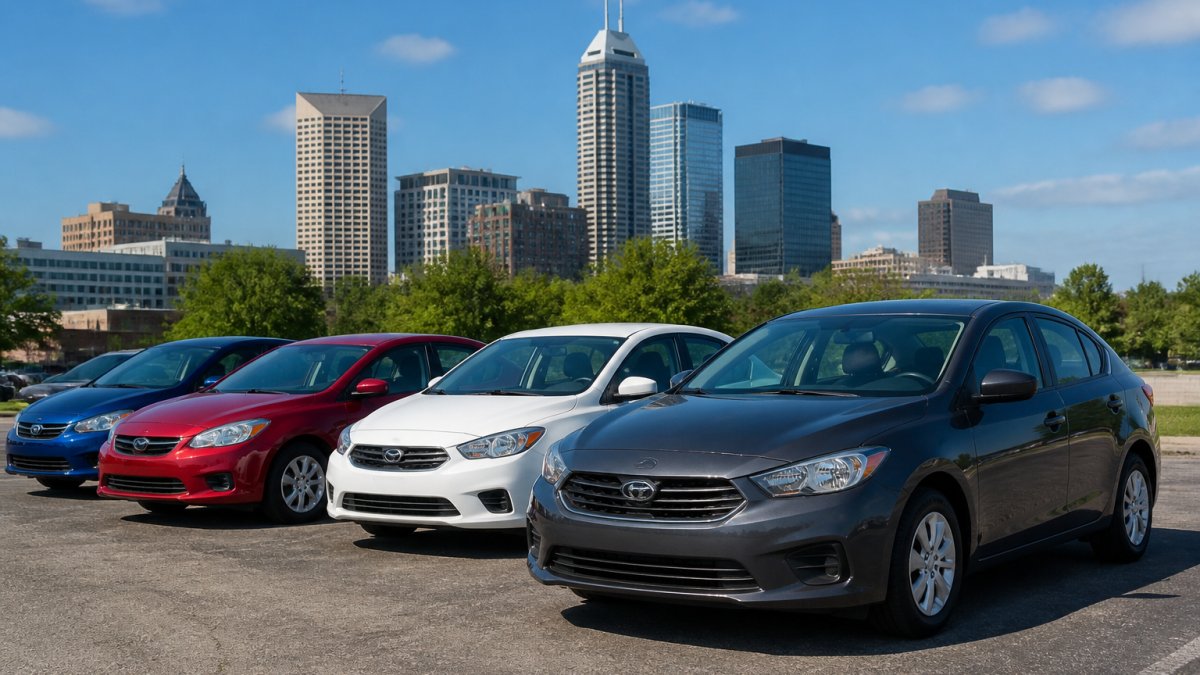
Finding the right affordable car in the Indianapolis area doesn't mean settling for unreliable transportation. The best budget cars in Indianapolis in 2026 combine dependable performance with reasonable purchase prices, making them ideal for first-time buyers, families needing a second vehicle, and commuters on tight budgets. At PANEL CRAFT AUTO SALES LLC, we help local residents navigate the used-car market and find vehicles that deliver genuine value.
The challenge isn't finding cheap cars, it's finding affordable cars that won't leave you stranded or drain your wallet in maintenance costs. This guide breaks down the most reliable budget-friendly options available locally, walks you through what to inspect before buying, and explains the true cost of ownership so you can make an informed decision.
Compact Sedans That Deliver Value
Compact sedans remain the best choice for budget-conscious buyers seeking reliable daily transportation. These vehicles offer proven reliability, reasonable fuel economy, and lower insurance costs compared to larger options. Models from the past five to seven years hold their value well and typically have solid maintenance records.
The Honda Civic and Toyota Corolla consistently rank as top performers in this category. Both brands have earned reputations for longevity, with many owners reporting 150,000+ miles of trouble-free operation. Parts are widely available and affordable, which matters significantly when maintenance is needed. A used Civic or Corolla in the Indianapolis area typically ranges from modest pricing for higher-mileage examples to mid-range pricing for newer model years.
Hyundai's Elantra and Kia Forte have emerged as strong value alternatives. These vehicles offer more standard features than competitors at similar price points and include solid warranty coverage on many used examples. The Elantra particularly appeals to budget-conscious buyers because maintenance costs run lower than some Japanese competitors.
Affordable SUVs and Crossovers
Families often prefer SUVs and crossovers for their practicality and cargo space, but these vehicles typically cost more than sedans. However, several used options deliver real value without breaking the budget.
The Honda CR-V and Toyota RAV4 dominate the affordable crossover market. Both handle Indianapolis weather well and provide the space families need for daily life. Expect to pay more than compact sedans, but the added practicality often justifies the difference.
Mazda's CX-5 offers another compelling option. It drives more like a car than a traditional SUV, making it enjoyable for commuters while still providing the height and cargo space families want. Mazda vehicles typically have lower acquisition costs than Honda or Toyota equivalents while maintaining solid reliability.
For buyers with tighter budgets, Hyundai's Tucson and Kia's Sportage provide legitimate alternatives. These vehicles are becoming increasingly common in the used market, which means more inventory and competitive pricing. Both brands have significantly improved reliability over the past decade.
First-Car Recommendations for New Drivers
First-time car buyers benefit from vehicles that are forgiving, affordable to insure, and easy to maintain. Reliability matters more than features when you're new to vehicle ownership because unexpected repairs can derail tight budgets.
The Honda Civic remains the top recommendation for new drivers. It's straightforward to operate, parts are inexpensive, and insurance premiums stay reasonable. The car's predictable handling and good visibility help newer drivers feel confident behind the wheel.
Toyota's Corolla works equally well for first-time buyers. Its reputation for reliability means fewer surprises, and the vehicle's simplicity appeals to drivers who aren't interested in complex technology. Corolla owners report strong peace of mind about their vehicle's dependability.
The Mazda3 deserves consideration for buyers who want something more engaging to drive. It offers better handling than many competitors in its price range, which can make commuting more enjoyable.
For new drivers on very tight budgets, the Hyundai Elantra and Kia Forte provide reliable transportation at lower entry prices.
Reliable Used Cars in Indianapolis: What Makes Them Stand Out
A reliable used car in Indianapolis means consistent performance, minimal unexpected repair costs, and the confidence to drive without worry. Reliability isn't just about the brand, it's about the specific vehicle's history, maintenance record, and current condition.
The difference between a reliable used car and a problematic one often comes down to how the previous owner treated it. A well-maintained Chevy Malibu outperforms a neglected Honda Accord.
Japanese manufacturers (Honda, Toyota, Mazda) have earned their reliability reputations through decades of consistent performance. These brands dominate used-car markets because buyers trust them. However, Korean manufacturers (Hyundai, Kia) have closed the reliability gap significantly.
The model year matters substantially. Vehicles from 2019 onward have benefited from improved manufacturing processes and more mature technology. Older vehicles may be cheaper to purchase but often require more maintenance.
Used Car Inspection Checklist Before You Buy
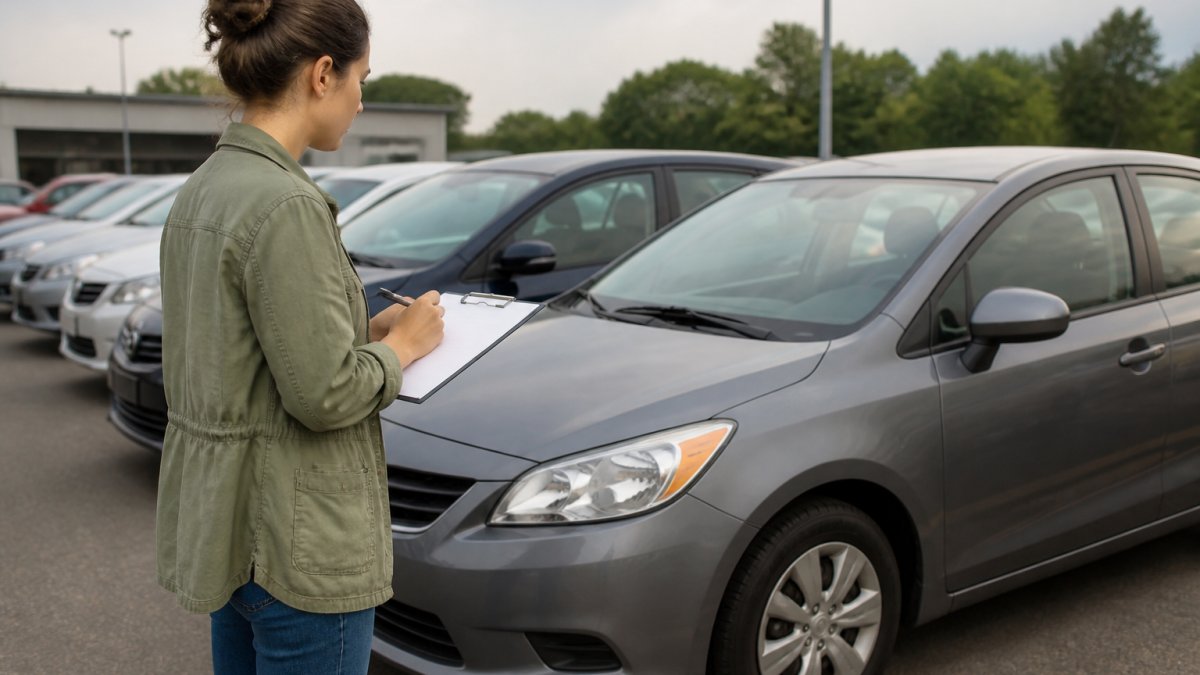
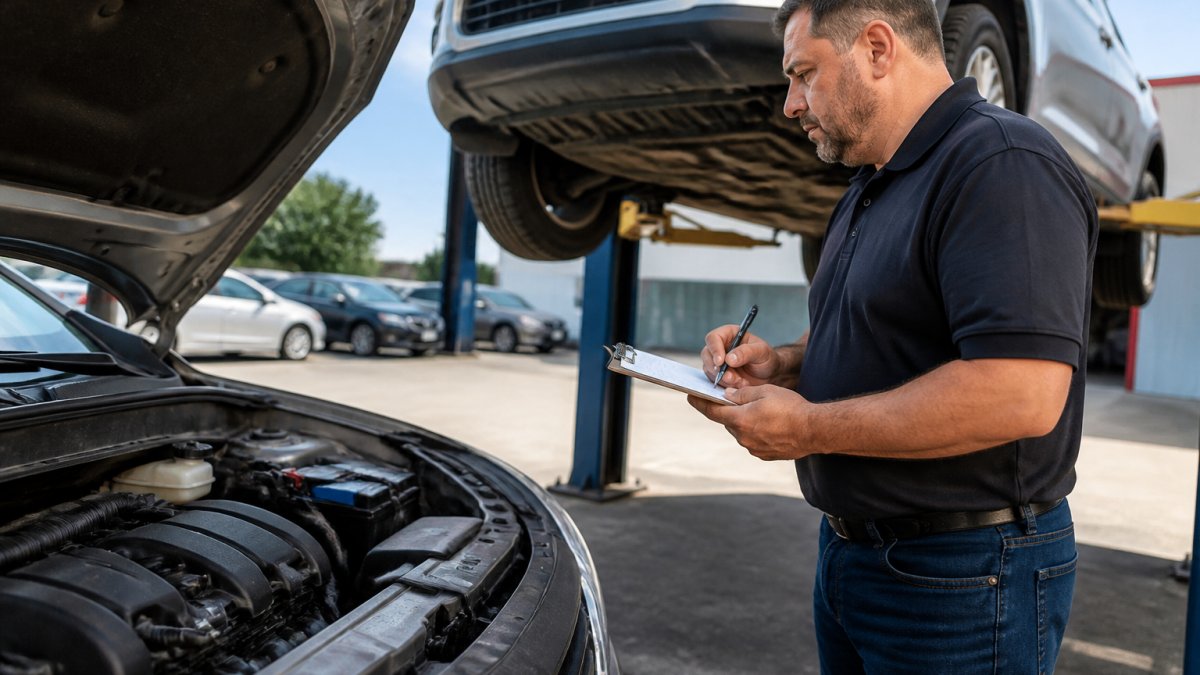
Before committing to any used car purchase, conduct a thorough inspection covering exterior condition, interior functionality, and mechanical systems. This checklist protects you from buying a vehicle with hidden problems that could cost hundreds or thousands in repairs.
Exterior and Interior Inspection Points
Start with the car's exterior in natural daylight. Look for mismatched paint, which suggests previous collision repair. Check panel gaps, they should be consistent across the vehicle. Rust is a serious concern in the Indianapolis area due to winter weather; examine the undercarriage, door bottoms, and wheel wells carefully.
Inspect all lights: headlights, taillights, brake lights, and turn signals. Test the windshield wipers and check for cracks in the glass. Open and close all doors, windows, and the trunk to verify they operate smoothly.
Inside the vehicle, check the condition of seats, carpets, and headliner. Stains or odors may indicate water damage or neglect. Test all electrical features: air conditioning, heating, power windows, locks, and the audio system. A non-functional feature isn't necessarily a deal-breaker, but it should factor into your offer price.
Mechanical and History Verification
Request the vehicle's history report from a reputable source. This document reveals previous accidents, title issues, service records, and ownership history. A clean title and documented maintenance provide strong confidence signals.
Have a qualified mechanic inspect the vehicle before purchase. This typically costs $100-150 but can reveal expensive problems early. A pre-purchase inspection covers the engine, transmission, suspension, brakes, and fluid conditions. This step is non-negotiable for used-car purchases.
Check fluid levels and condition: oil should be brown, not black; coolant should be the correct color for the vehicle; transmission fluid should be red, not dark brown. Leaks underneath the vehicle indicate problems that require professional diagnosis.
Test drive the vehicle on various road types. Listen for unusual noises, feel for vibrations, and verify that brakes, steering, and acceleration respond normally. The car should start easily and run smoothly without hesitation.
Cost of Owning a Used Car: Beyond the Purchase Price
The purchase price represents only part of your true cost of ownership. Budget-conscious buyers must account for insurance, maintenance, fuel, and repairs when evaluating whether a vehicle fits their finances.
Insurance costs vary significantly by vehicle type, age, and your driving record. Compact sedans typically cost less to insure than SUVs.
Maintenance expenses depend on vehicle age and mileage. Newer used cars require less frequent maintenance than older examples. Budget approximately $500-1,000 annually for routine maintenance on a reliable used car.
Fuel economy affects your monthly transportation budget. Compact sedans typically achieve 25-35 miles per gallon, while crossovers average 20-28 miles per gallon.
Repair costs become more significant as vehicles age. The first major repair often occurs around 100,000 miles. Budget an emergency fund of $1,000-2,000 for unexpected repairs.
Registration and taxes vary by vehicle age and value. Older vehicles typically cost less to register. Research your specific situation with the Indiana Bureau of Motor Vehicles for accurate figures.
Used Car Financing Options That Work for Your Budget
Financing a used car requires understanding your options and knowing your budget limits. Most buyers need financing to make their purchase work, and several legitimate paths exist.
Bank financing typically offers competitive rates if you have decent credit. Many banks provide used-car loans with terms up to 72 months, though shorter terms save money on interest. Compare rates from multiple banks before committing.
Credit unions often provide better rates than banks for members. If you belong to a credit union, check their used-car financing options before exploring other sources.
Dealership financing offers convenience but often costs more than bank or credit union options. However, dealerships may work with buyers who have less-than-perfect credit. Understand the interest rate before signing, the lowest payment isn't always the best deal if it requires extending the loan term significantly.
Evaluate your monthly payment budget realistically. A common recommendation is that your total monthly transportation costs (payment, insurance, fuel, maintenance) shouldn't exceed 15-20% of your gross monthly income. This prevents overextending yourself financially.
How to Choose the Right Used Car for Your Needs
Selecting the right vehicle starts with honest assessment of your actual needs, not your wants.
Evaluate your typical driving patterns. How many miles do you drive annually? Do you commute on highways or city streets? Will you carry passengers regularly?
Consider reliability ratings and ownership costs. Research common problems for specific models and years.
Test drive multiple vehicles before deciding. How a car feels behind the wheel matters for daily satisfaction. Comfort, visibility, and control responsiveness vary between models.
Negotiate price based on condition, mileage, and market value. Don't accept the first asking price. Research comparable vehicles in the Indianapolis area to understand fair pricing.
Get everything in writing before handing over money. The sales agreement should specify the vehicle's condition, any warranties included, and the final price. This protects both you and the seller.
Finding the best budget cars in Indianapolis in 2026 requires balancing upfront affordability with long-term reliability and total cost of ownership.
| Vehicle Type | Best For | Typical Price Range | Fuel Economy |
|---|---|---|---|
| Compact Sedan (Civic/Corolla) | Budget commuters, first-time buyers | Lower range | 25-35 MPG |
| Compact Sedan (Elantra/Forte) | Value-conscious buyers | Lower range | 26-32 MPG |
| Crossover (CR-V/RAV4) | Families, practical buyers | Mid-range | 20-28 MPG |
| Crossover (CX-5/Tucson) | Budget families | Mid-range | 21-29 MPG |
Frequently Asked Questions
What is the best budget car to buy in Indianapolis in 2026?
The best budget car depends on your needs. Compact sedans like the Honda Civic and Toyota Corolla offer excellent reliability and fuel economy for commuters. If you need more space, affordable SUVs and crossovers provide family-friendly options. For first-time buyers, focus on models with strong safety ratings, low maintenance costs, and good resale value. Visit a local dealer to test drive options that fit your budget and driving habits.
What should I check before buying a budget used car?
Use a comprehensive used car inspection checklist: examine the exterior for rust or damage, check interior wear, review the vehicle history report for accidents, test the engine and brakes, verify mileage against service records, and inspect tires and lights. Have a trusted mechanic perform a pre-purchase inspection if possible. This protects you from hidden problems and costly repairs.
How much should I spend on a reliable used car?
Budget-conscious buyers should balance purchase price with total ownership costs. Consider fuel economy, maintenance expenses, insurance, and potential repairs when calculating affordability. Many reliable used cars are available at various price points; focus on models known for dependability rather than chasing the lowest price alone. Explore used car financing options that work with your credit situation to find a monthly payment you can sustain long-term.
What financing options are available for used car purchases?
Used car financing options include traditional bank loans, credit union financing, and dealer financing. Some dealers work with buyers who have less-than-perfect credit. Compare interest rates and terms from multiple sources before committing. Ask about trade-in options, down payment flexibility, and warranty coverage. Understanding your monthly payment, total loan cost, and insurance requirements helps you make an informed decision that fits your budget.