
 blog
Common Mechanical Issues in Used Vehicles
Table of Contents
- Engine Problems and Warning Signs
- Transmission Slipping and Shifting Problems
- Brake Issues and Worn Components
- Suspension, Steering, and Electrical Faults
- Fluid Leaks, Overheating, and Burning Smells
- Your Pre-Purchase Inspection Workflow
- Used Car Test Drive Checklist
- Used Car Inspection Checklist: What to Look For
- Frequently Asked Questions
Last Updated: October 19, 2026
Engine Problems and Warning Signs
Engine issues are among the most expensive repairs on a used vehicle, and understanding common mechanical issues in used vehicles can save you thousands in unexpected repair bills.
Common engine problems start with misfires and rough idle. A misfire happens when one or more cylinders fail to ignite properly. You'll feel this as a stuttering or shaking sensation, especially when accelerating or idling at a stoplight.
Loss of power and engine stalling are red flags. If the vehicle struggles to accelerate or dies while driving, the engine control system may be failing. This could be a malfunctioning sensor, fuel pump issue, or transmission problem.
Check the dashboard for warning lights. A persistent check engine light means the onboard diagnostic system has detected a fault. Don't ignore this. Pull the vehicle's diagnostic trouble codes using a scan tool before you buy. Many auto parts stores offer free code reading.
Engine Misfires and Rough Idle
A rough idle feels like the engine is shaking or vibrating while parked. This is one of the easiest problems to spot during a test drive. The causes vary from simple (worn spark plugs) to complex (fuel injector failure or ignition coil issues).
Misfires happen when fuel doesn't ignite in one cylinder. You'll feel a distinct stutter or hesitation when pressing the gas. Over time, misfires damage the catalytic converter, which is expensive to replace. If a vehicle has been misfiring for weeks or months, the damage compounds.
Common causes include:
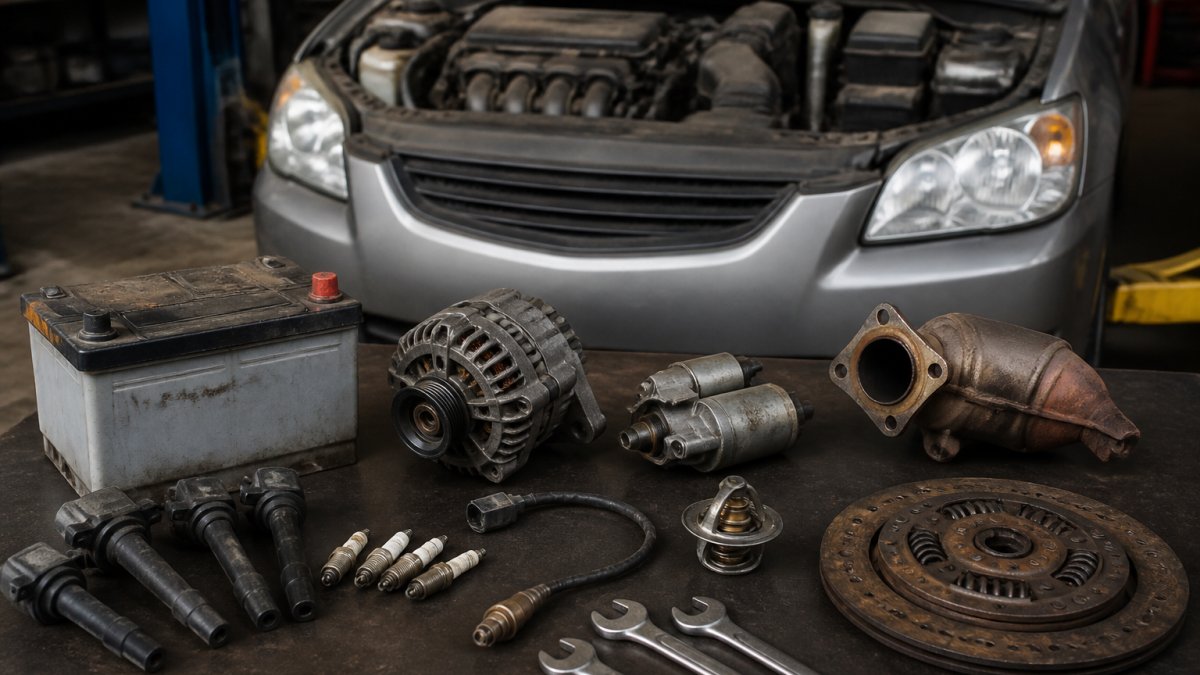
- Worn or fouled spark plugs
- Bad ignition coils
- Clogged fuel injectors
- Low fuel pressure
- Vacuum leaks
During your pre-purchase inspection, start the engine and listen. A healthy engine idles smoothly and quietly. Any shaking, rattling, or uneven sound is a warning sign.
Loss of Power and Stalling
Loss of power means the engine can't deliver normal acceleration. The car feels sluggish, especially when merging on the highway or climbing hills. This points to fuel system problems, ignition issues, or transmission slipping.
Engine stalling is worse. The engine simply shuts off while driving. This is a safety hazard and a sign of serious mechanical failure. Causes include fuel pump failure, ignition system faults, or transmission problems.
Take the vehicle on a test drive that includes highway speeds and hill climbs. These conditions expose power delivery problems. If the car hesitates, bogs down, or shuts off, walk away.
Transmission Slipping and Shifting Problems
The transmission is the second-most-expensive system in a vehicle. Transmission problems are common in used cars and can cost $1,500 to $4,000 to repair.
Transmission slipping feels like the engine revs without the car accelerating. The RPM gauge spins up, but the vehicle doesn't move forward proportionally. This happens when hydraulic pressure drops, clutch friction surfaces wear, or internal seals fail.
Shifting problems include:
- Delayed shifts (the car hesitates before changing gears)
- Hard shifts (the car jerks or lurches when shifting)
- Stuck in one gear (the transmission won't shift up or down)
- Grinding or whining noises during shifts
Automatic transmissions can slip without warning. Manual transmissions often grind or make noise first. Listen during your test drive for any unusual sounds when shifting.
Check the transmission fluid. It should be bright red or pink, not dark brown or burnt-smelling. Dark fluid means the transmission is overheating and breaking down internally. This is a major red flag.
Brake Issues and Worn Components
Brakes are a safety-critical system. Brake failure can cause accidents. Never buy a vehicle with brake problems.
Brake wear is normal, but excessive wear is a sign of abuse or towing. Check brake pad thickness. Pads should be at least 1/4 inch thick. If they're thinner, budget for new pads and rotors soon.
Common brake problems include:
- Soft or spongy brake pedal (air in the lines or brake fluid leak)
- Hard brake pedal (brake booster failure)
- Grinding noise when braking (worn pads or damaged rotors)
- Brake fluid leaks (visible under the vehicle)
- Brake warning light on the dashboard
During your test drive, brake gently at first, then harder. The pedal should feel firm and responsive. The car should stop smoothly without pulling to one side. Any soft, spongy, or unresponsive feel means brake system work is needed.
Inspect the rotors. If they're deeply scored or warped, they need replacement along with the pads. This job typically costs $300 to $800 depending on the vehicle.
Suspension, Steering, and Electrical Faults
Suspension problems affect ride quality and handling. A worn suspension makes the vehicle bounce excessively, lean heavily in turns, or feel unstable on the highway.
Signs of suspension wear:
- Bouncing or floating sensation after bumps
- Clunking noises from the undercarriage
- Uneven tire wear
- Vehicle sits lower on one side
- Steering wheel vibration at highway speeds
Steering problems include:
- Loose or unresponsive steering wheel
- Steering wheel pulls to one side
- Grinding or clicking sounds when turning
- Power steering fluid leaks
Electrical faults range from minor to major. A malfunctioning sensor can trigger the check engine light. A battery or alternator failure leaves you stranded. Electrical gremlins are hard to diagnose and expensive to fix.
Common electrical issues:
- Dead or weak battery
- Alternator not charging
- Starter motor failure
- Corroded battery terminals
- Faulty sensors triggering warning lights
Test all electrical components: lights, wipers, windows, locks, and climate control. Any system that doesn't work needs diagnosis.
Fluid Leaks, Overheating, and Burning Smells
Fluid leaks indicate worn seals or gaskets. Small leaks are manageable. Large leaks are serious and can damage the engine.
Identify the fluid color:
- Red or pink: transmission or power steering fluid
- Green or orange: coolant
- Dark brown or black: engine oil
- Clear: air conditioning condensation (normal)
Overheating happens when the cooling system fails. Warning signs include:
- Temperature gauge in the red zone
- Steam from under the hood
- Sweet or burnt smell
- Loss of coolant
Check the coolant level when the engine is cold. Low coolant points to a leak or thermostat failure. Overheating damages the engine quickly and can cause complete failure.
Burning smells signal trouble. A burning oil smell means oil is leaking onto hot engine parts. A sweet smell indicates coolant leak. An electrical burning smell suggests short circuits or failed components.
Your Pre-Purchase Inspection Workflow
A systematic inspection catches problems before you buy. Follow this workflow to evaluate any used vehicle thoroughly.
Start with the exterior. Walk around the vehicle and look for:
- Rust or corrosion, especially on the undercarriage
- Mismatched paint (sign of accident damage or poor repair)
- Dents, dings, or crumpled panels
- Uneven gaps between panels
- Cracked or damaged lights
Next, check the interior. Sit in the driver's seat and test all controls. The interior condition reflects how well the owner maintained the vehicle.
Visual Inspection Checklist
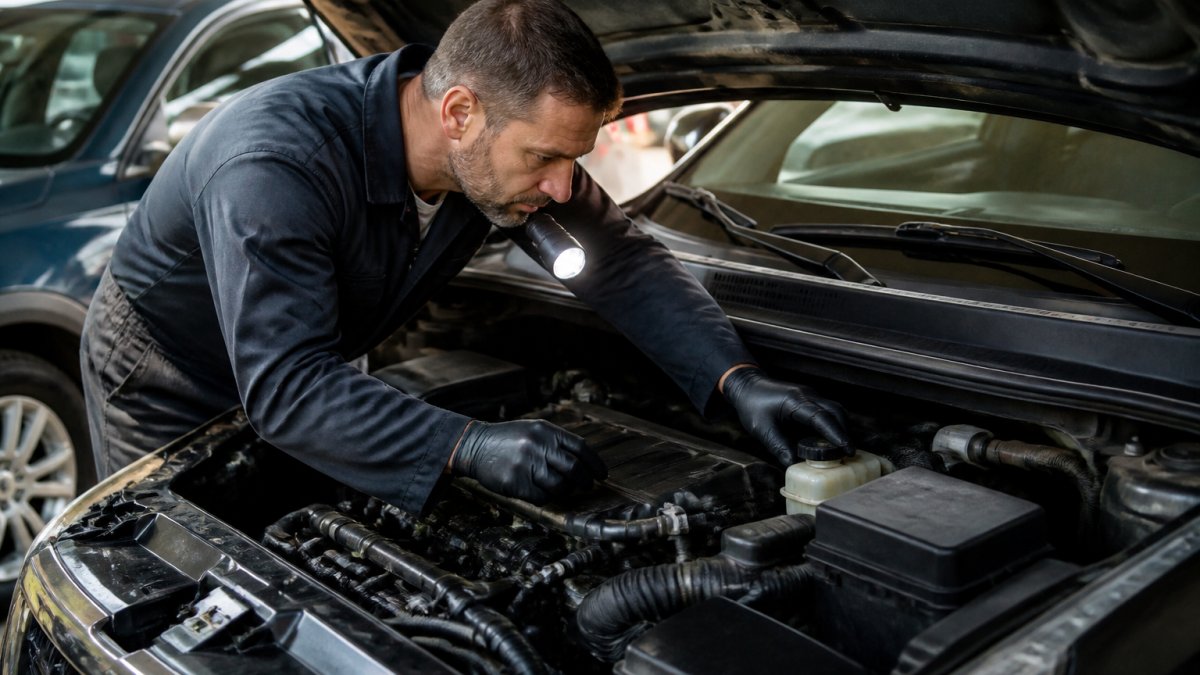
Pop the hood and inspect the engine bay carefully. Look for:
- Fluid levels: Check oil, coolant, brake fluid, and power steering fluid
- Hoses and belts: Look for cracks, splits, or fraying
- Battery: Check for corrosion on terminals
- Leaks: Look under the vehicle for drips or stains
- Rust: Check for corrosion on metal parts
- Wear: Inspect belts and hoses for age-related wear
Underneath the vehicle, look for:
- Rust on the frame or undercarriage
- Leaks or stains on the ground
- Bent or damaged components
- Exhaust system damage
- Suspension component wear
Maintenance History and Service Records
Request the complete service history. A well-maintained vehicle has records of:
- Regular oil changes
- Fluid flushes
- Filter replacements
- Scheduled maintenance
- Major repairs
Gaps in service history are red flags. If records show no maintenance for a year or more, the owner likely neglected the vehicle.
Look for records of major work. A transmission rebuild, engine replacement, or frame repair should be disclosed. Ask why major work was done and when.
Used Car Test Drive Checklist
The test drive reveals how the vehicle actually performs. Spend at least 20 minutes driving on varied roads.
Before starting the engine:
- Check all lights (headlights, brake lights, turn signals)
- Test the horn
- Adjust mirrors and seats
- Check seatbelt function
Start the engine and listen. A healthy engine starts smoothly and idles quietly. Any rough start, excessive noise, or warning lights are problems.
During the drive:
- Accelerate hard to feel engine power and responsiveness
- Brake firmly to test brake feel and response
- Turn sharply to check steering and suspension
- Drive on the highway for at least 10 minutes
- Listen for unusual noises at different speeds
- Feel for vibrations in the steering wheel or seat
- Test the climate control system
- Check that all gauges work (fuel, temperature, oil pressure)
If anything feels wrong, trust your instinct. Don't rationalize problems away.
Used Car Inspection Checklist: What to Look For
This checklist covers the mechanical systems that matter most when buying used. Work through each section systematically.
Under the Hood
Check these items in the engine bay:
- Oil level and condition (should be amber or brown, not black)
- Coolant level and condition (should be clear, not rusty)
- Brake fluid level (should be clear or slightly amber)
- Power steering fluid level (usually clear or slightly yellow)
- Battery condition (no corrosion, terminals clean)
- Belts and hoses (no cracks, splits, or fraying)
- Spark plug wires (no cracks or damage)
- Air filter (clean or lightly soiled, not caked with dirt)
- Engine block (no visible leaks or stains)
- Radiator (clean fins, no debris blocking airflow)
Underneath and Around the Vehicle
Get under the vehicle and look for:
- Transmission fluid leaks (dark stains under the vehicle)
- Engine oil leaks (fresh oil on the ground or undercarriage)
- Coolant leaks (green, orange, or pink stains)
- Brake fluid leaks (clear or amber stains)
- Rust or corrosion on the frame
- Bent or damaged suspension components
- Cracked or leaking exhaust system
- Worn brake pads or rotors
- Uneven tire wear (sign of suspension or alignment problems)
Tire wear tells a story. Even wear across all four tires suggests good alignment and maintenance. Wear on the inside or outside edges points to suspension problems or misalignment.
We recommend getting a professional pre-purchase inspection before committing to any used vehicle. A trained technician with a scan tool can identify hidden problems that surface inspection misses. This investment can save you thousands in unexpected repairs and give you confidence in your purchase.
Buying a used vehicle means accepting some risk, but a thorough inspection dramatically reduces that risk. Common mechanical issues in used vehicles are preventable headaches if you know what to look for. When you're ready to buy, our team at PANEL CRAFT AUTO SALES LLC can help you find a reliable vehicle that fits your budget and needs.
Frequently Asked Questions
What are the most common mechanical issues in used vehicles?
The most frequent problems include engine misfires and rough idle, transmission slipping, brake wear, fluid leaks, electrical faults, and suspension issues. Many of these stem from deferred maintenance or high mileage. A pre-purchase inspection by a qualified mechanic can identify most of these defects before you buy, saving you thousands in unexpected repairs.
How can you tell if a used car has engine problems?
Watch for warning lights on the dashboard, rough idling or stalling, loss of power during acceleration, and unusual noises like knocking or grinding. During a test drive, pay attention to how the engine starts and whether it hesitates when accelerating. Have a mechanic scan for diagnostic trouble codes to confirm any underlying issues before purchase.
Should you get a mechanic to inspect a used car before buying?
Yes, absolutely. An independent pre-purchase inspection by a certified mechanic is one of the best investments you can make. They can identify hidden defects, assess the vehicle's true condition, estimate remaining component life, and reveal whether maintenance has been neglected. This inspection can prevent far costlier repairs down the road.
What should you check during a used-car test drive?
Test acceleration, braking, steering response, and how smoothly the transmission shifts. Listen for unusual noises, vibrations, or grinding sounds. Check that all warning lights function and that the engine idles smoothly when stopped. Drive on different road types, highway, city streets, and turns, to fully evaluate the vehicle's performance and reliability.